
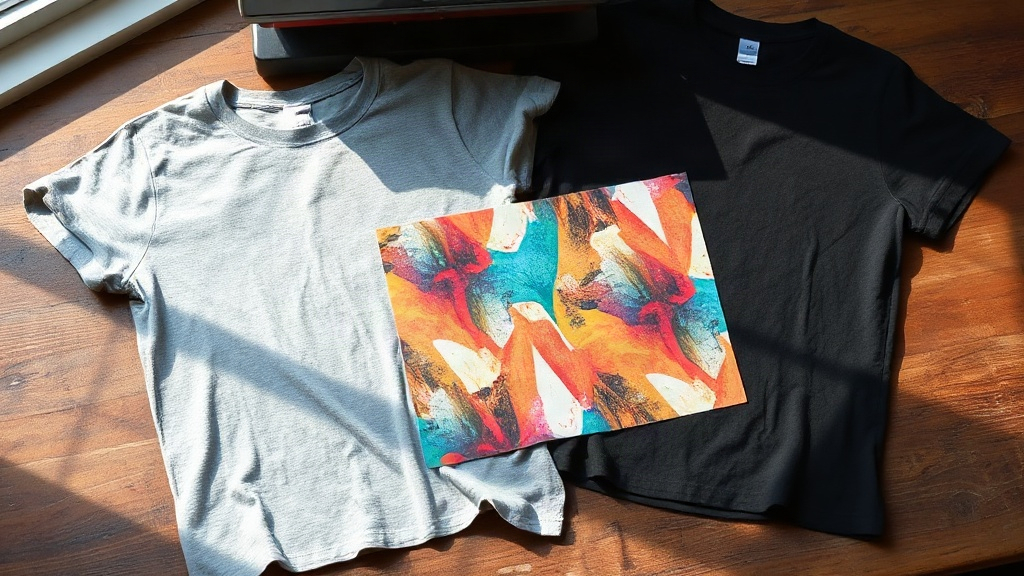
When you're pressing DTF transfers onto a blank t-shirt, the blank itself can make or break the final product. Two names that come up often in heat press circles are Smart Blanks and Shaka Wear. Both have loyal followings, but they serve different needs. If you're trying to decide which one to stock for your next batch of custom tees, this breakdown will help you choose wisely.
Why the Blank Matters for DTF Transfers
DTF transfers are versatile, but they aren't magic. The fabric content, weave, and finish of a blank determine how well the transfer adheres, how it feels, and how long it lasts. A 100% cotton tee with a tight weave will hold a transfer differently than a poly-cotton blend with a smooth surface. Understanding these differences is key to avoiding peeling, cracking, or a plastic-like hand feel.
Both Smart Blanks and Shaka Wear offer tees that work with DTF, but they cater to slightly different audiences. Let's dig into what sets them apart.
Smart Blanks: The Budget-Friendly Workhorse
Smart Blanks has built a reputation as a reliable, affordable option for screen printers and DTF users alike. Their tees are typically 100% cotton, with a mid-weight feel that balances durability and comfort. The fabric has a smooth, even surface that accepts DTF transfers well, especially when you follow the recommended pressing parameters.
Fabric and Construction
Most Smart Blanks styles are 5.5 to 6.0 oz, which is substantial enough for everyday wear without feeling heavy. The cotton is ring-spun, giving it a softer hand than standard carded cotton. Seams are double-stitched at the shoulders and hems, which helps the shirt hold its shape after multiple washes. For DTF, this means less shifting during pressing and a more consistent result across the batch.
How DTF Transfers Perform on Smart Blanks
In my experience, DTF transfers adhere beautifully to Smart Blanks tees. The cotton surface grabs the adhesive powder well, and after a 15-second press at 325°F with medium pressure, the transfer feels integrated rather than sitting on top. The prints survive dozens of wash cycles with minimal fading, provided you wash inside out and avoid high heat in the dryer. The main caveat: if you're pressing onto a dark Smart Blanks tee, you'll need a white underbase layer or a DTF transfer with a white backing, which most quality transfers include.
Fit and Sizing
Smart Blanks tend to run true to size with a classic unisex cut. They're not overly boxy, but they're not slim either. This makes them a safe choice for corporate events, team uniforms, and promotional giveaways where you need to order a wide range of sizes without worrying about fit complaints. The neckline is a standard ribbed crew that holds up well over time.
Shaka Wear: Streetwear Credibility Meets DTF Compatibility
Shaka Wear has a different vibe. Born from streetwear culture, these tees are known for their heavier weight, relaxed fit, and premium feel. They're a favorite among brands that want a blank that already feels like a finished product. For DTF, they offer a canvas that can handle bold graphics and all-over prints.
Fabric and Construction
Shaka Wear tees are typically 6.0 to 7.0 oz, often made from 100% cotton or a cotton-poly blend depending on the style. The fabric is dense and tightly knit, which gives it a substantial drape. The stitching is robust, with reinforced shoulder-to-shoulder taping and a thick collar that resists stretching. This construction is ideal for DTF because the dense weave minimizes the texture that can interfere with transfer adhesion.
How DTF Transfers Perform on Shaka Wear
Pressing DTF transfers onto Shaka Wear requires a bit more attention to pressure and time. Because the fabric is heavier, you may need to increase pressure slightly or extend the press time by a few seconds to ensure the adhesive fully penetrates the weave. Once dialed in, the results are excellent: vibrant colors, sharp details, and a soft hand feel that rivals screen printing. The tight knit also means less ink bleed, so fine lines and small text come out crisp.
Fit and Sizing
Shaka Wear tends to run larger and boxier than Smart Blanks. If you're used to standard unisex sizing, consider sizing down for a more fitted look, or embrace the oversized streetwear aesthetic. Their size range often includes up to 5XL, making them a good option for inclusive sizing. The relaxed fit is a selling point for many customers who want a modern, comfortable tee.
Side-by-Side Comparison for DTF Applications
- Fabric weight: Smart Blanks averages 5.5-6.0 oz; Shaka Wear averages 6.0-7.0 oz.
- Hand feel: Smart Blanks is softer out of the box; Shaka Wear feels more substantial and breaks in over time.
- DTF adhesion: Both perform well, but Shaka Wear may require slightly higher pressure due to its density.
- Price: Smart Blanks is generally more budget-friendly, making it ideal for large orders; Shaka Wear costs more but offers a premium feel.
- Fit: Smart Blanks runs true to size with a classic cut; Shaka Wear runs larger with a boxy, streetwear-inspired fit.
- Best for: Smart Blanks for promotional and bulk orders; Shaka Wear for retail and brand-focused apparel.
Practical Tips for Pressing DTF on Either Blank
Regardless of which blank you choose, a few best practices will ensure your DTF transfers look professional and last. First, pre-press the shirt for 5-10 seconds to remove moisture and wrinkles. This step is often overlooked but makes a big difference in adhesion. Second, use a heat press, not an iron, and maintain consistent pressure across the platen. Third, after pressing, peel the transfer while it's still warm (for most DTF films) or cool (for some specialty films), and always follow the transfer supplier's instructions. Finally, wash the finished garment inside out in cold water and tumble dry low to extend the life of the print.
If you're new to DTF, consider ordering a few samples of each blank and running test presses. Every heat press behaves slightly differently, and what works for one may need tweaking for another. Keeping a log of your settings for each blank type will save you time and material in the long run.
Which Blank Should You Choose?
There's no single right answer. If you're printing hundreds of tees for a 5K run or a company picnic, Smart Blanks offers unbeatable value without sacrificing quality. If you're building a streetwear brand and want a tee that feels premium from the moment a customer opens the package, Shaka Wear is worth the extra cost. Many print shops stock both and match the blank to the client's budget and vibe. The key is to understand your customers' expectations and choose accordingly.
Frequently Asked Questions
Can I use DTF transfers on both Smart Blanks and Shaka Wear?
Yes, both blanks are compatible with DTF transfers. The pressing parameters may differ slightly due to fabric weight and density, so always test a sample first.
Do DTF transfers crack or peel on Shaka Wear after washing?
If applied correctly, DTF transfers on Shaka Wear are durable and resist cracking. Use proper pressure, temperature, and wash care (inside out, cold water) to maximize longevity.
Which blank is better for dark colors and DTF?
Both handle dark colors well, but you'll need DTF transfers with a white ink layer for dark garments. Shaka Wear's tight weave can produce slightly sharper results on dark fabrics due to less texture interference.
Is Smart Blanks suitable for retail-quality DTF apparel?
Absolutely. While Smart Blanks is more budget-friendly, the final quality depends on your DTF application. With proper technique, Smart Blanks can yield retail-ready results.
Where can I buy Smart Blanks and Shaka Wear for my shop?
Both brands are available through major blank apparel distributors. Many DTF transfer suppliers also carry these blanks, so you can bundle your orders and save on shipping.