
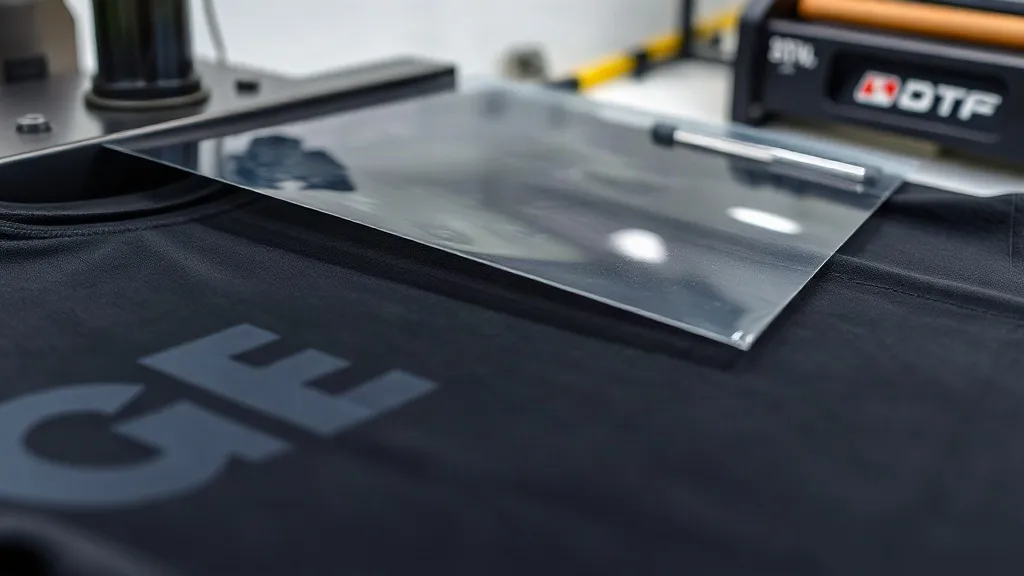
You pull a shirt from the dryer, and there it is: a web of fine cracks running through the design you were so proud of. Cracking is one of the most common complaints in dtf transfers, and it can turn a profitable order into a remake. The good news is that cracking is rarely random. It almost always traces back to a few controllable factors in the production chain. In this guide, we will walk through why cracks form, how to diagnose them, and what you can change in your workflow to keep prints intact for the life of the garment.
Understanding the Anatomy of a DTF Print
A dtf transfer is a layered structure: a PET film base, a release coating, a color ink layer, and a white ink layer that is powdered with hot-melt adhesive and cured. When you press it onto fabric, the adhesive bonds to the fibers while the ink layers remain on top. Cracking occurs when the ink film cannot stretch or flex with the fabric. The adhesive may hold, but the ink itself fractures. That is why cracks often appear as fine lines that follow the direction of stretch or wrinkle.
The key to preventing cracks is to maximize the elasticity of the cured ink layer and ensure a strong, even bond to the fabric. That means paying attention to ink laydown, powder application, curing, and pressing parameters.
Common Causes of Cracking
1. Over-curing or Under-curing the Powder
Powder curing is a balancing act. Under-cured powder leaves the adhesive tacky and weak, leading to poor wash durability and potential cracking at the bond line. Over-curing makes the adhesive brittle, so it cracks instead of stretching. The sweet spot is a full cure that reaches the correct temperature without baking the film. Follow the powder manufacturer's recommendations for time and temperature, and verify with a laser thermometer or temp strips.
2. Excessive Ink Laydown
Thick ink layers are more prone to cracking because they create a rigid film on top of the fabric. When printing, use the lowest ink settings that still give opaque, vibrant colors. If you are printing on dark garments, you might be tempted to lay down heavy white ink, but a balanced white layer with proper powdering will perform better than a thick, crusty layer. Check your RIP settings and avoid unnecessary over-printing.
3. Incorrect Powder Application
Too little powder means weak adhesion, while too much powder creates a thick, brittle adhesive layer that can crack. Aim for a uniform coating that looks like a light dusting, not a heavy blanket. Shake off excess powder before curing, and use a powder shaker that distributes evenly. For fine details, consider using a finer powder mesh.
4. Pressing Parameters
Temperature, pressure, and time all affect how well the transfer bonds and how flexible the final print feels. Too much pressure can squeeze the adhesive into the fabric too deeply, causing the ink to sit on top rigidly. Too little pressure prevents proper bonding. A common starting point is 300°F to 320°F for 10 to 15 seconds with medium pressure, but always test with your specific setup. Also, ensure the press is evenly heated across the platen.
5. Fabric Incompatibility
Some fabrics stretch more than others. High-spandex content or loosely knit fabrics can put more stress on the print. While dtf transfers are versatile, they perform best on fabrics with some cotton content or on polyester blends that have been properly pre-treated. If you are printing on highly elastic fabrics, consider using a stretch additive in the ink or a powder with enhanced flexibility.
Diagnosing Cracking: A Step-by-Step Approach
When a customer reports cracking, resist the urge to blame the transfer alone. Instead, run a simple diagnostic:
- Check the wash test: Wash a sample inside out in cold water and tumble dry low. Inspect for cracks after each cycle.
- Examine the crack pattern: Cracks that follow the fabric grain often indicate insufficient stretch. Random cracks may point to over-curing or poor powder coverage.
- Review your records: Note the ink settings, powder batch, curing temperature, and press settings for the job. Compare with a known good job.
- Test with a different powder: If you suspect the powder, try a fresh batch or a different mesh size.
If you are sourcing transfers from a supplier, ask about their quality control and whether they offer a warranty. For those who prefer to buy ready-made, searching for dtf transfers near me can lead you to local providers who can share their production details.
Prevention Strategies for Your Shop
Optimize Your Printing Environment
Humidity and temperature can affect ink viscosity and powder adhesion. Keep your print room between 65°F and 75°F with relative humidity around 50%. Store film and powder in sealed containers away from moisture.
Use Quality Consumables
Not all films and powders are created equal. Cheaper films may have inconsistent release coatings, and low-grade powder may not cure evenly. Invest in reputable brands and test each new batch before committing to a large order.
Master the Press
Calibrate your heat press regularly. Use a laser thermometer to check the platen temperature at multiple points. Ensure the pressure is consistent by using a pressure gauge or testing with a piece of paper. For detailed instructions on pressing, refer to the resources available at dtf transfers.
Educate Your Customers
Provide care instructions: wash inside out, cold water, no fabric softener, tumble dry low or hang dry. Proper care extends the life of any print.
When to Consider Alternative Methods
If you consistently struggle with cracking on a particular fabric, it might be worth exploring other decoration methods like screen printing or vinyl. However, for most applications, dtf remains a versatile and cost-effective choice. By fine-tuning your process, you can achieve durable, crack-free results.
Frequently Asked Questions
Why do my DTF prints crack after just one wash?
Cracking after one wash usually indicates under-cured powder or insufficient pressure during pressing. The adhesive did not fully bond, so the ink layer separated. Check your curing temperature and press settings, and ensure the garment is properly pre-pressed to remove moisture.
Can I fix a cracked DTF transfer?
Once cracked, the print cannot be repaired. You can try re-pressing with a Teflon sheet to slightly melt the ink and minimize the appearance, but the durability is compromised. Prevention is the best approach.
What is the best powder for stretchy fabrics?
Look for a flexible, fine-mesh powder designed for stretch fabrics. Some manufacturers offer low-melt powders that cure at lower temperatures and remain more elastic. Test samples before production.
How can I find a reliable DTF transfer supplier near me?
Search online for dtf transfers near me and read reviews. Ask for samples and test them with your fabrics. A good supplier will provide consistent quality and support.
Cracking doesn't have to be a recurring headache. With a systematic approach to production and a bit of testing, you can deliver prints that stay flawless. For more in-depth guides and supplies, visit dtfpresshub.com.