
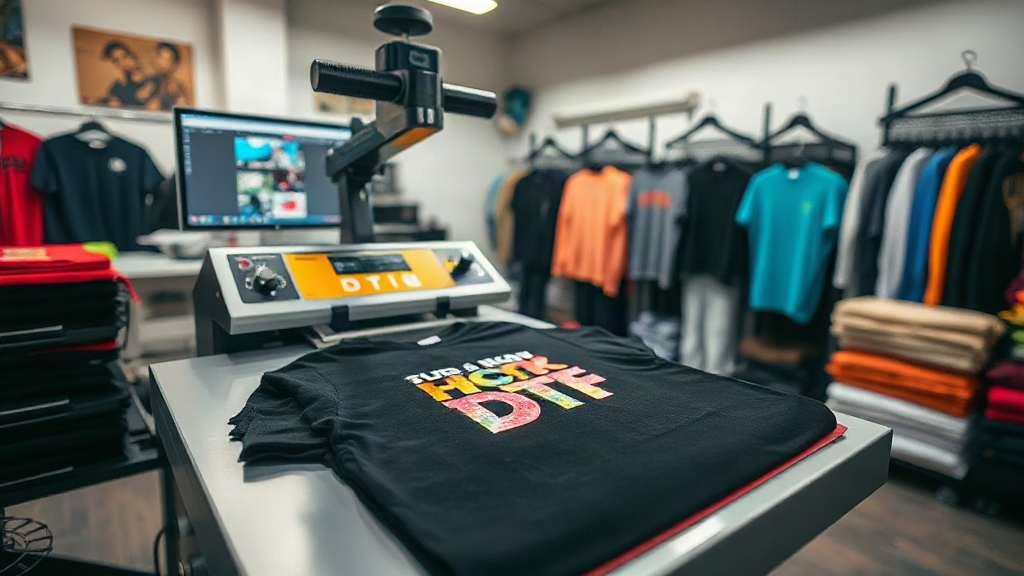
If you run a custom apparel business or you're just starting to explore print-on-demand, you've probably searched for DTF transfers at some point. Direct-to-film printing has become a game-changer in the industry, and the demand for DTF transfers is skyrocketing. But finding a reliable supplier that offers high-quality prints at a reasonable price can be challenging. When you type "DTF transfers near me" into Google, you'll get a long list of options, but how do you know which one to trust? In this guide, we'll break down everything you need to consider when choosing a local DTF supplier, from quality and pricing to turnaround times and customer service.
Understanding DTF Transfers
Before diving into the search for local suppliers, let's quickly recap what DTF transfers are. DTF is a printing method that involves printing a design onto a special film, then applying adhesive powder to it, and finally heat-pressing it onto fabric. Unlike traditional screen printing, DTF doesn't require a separate screen for each color, making it incredibly versatile for full-color designs, gradients, and even white text. It works on various materials, including cotton, polyester, and blends, which makes it a popular choice for custom t-shirts, hoodies, and even tote bags.
Why Choose Local DTF Suppliers?
When you search for DTF transfers near me, you're likely looking for the convenience of a local business. But what are the actual benefits?
- Faster Turnaround: Local suppliers can often offer quicker production and shipping times, which is crucial if you have tight deadlines or rush orders.
- Personal Interaction: Being able to visit the shop, see the quality of the transfers in person, and discuss your needs face-to-face can build trust and ensure you get exactly what you want.
- Support Local Economy: By choosing a local business, you're contributing to your community and potentially getting a more personalized service.
However, local doesn't always mean better. You need to evaluate each supplier carefully to ensure they meet your standards.
Key Factors to Evaluate Potential Suppliers
When you have a list of potential DTF transfers near me, you should assess them based on several critical criteria.
Quality of Prints
The quality of the transfer is non-negotiable. Poor-quality transfers can crack, peel, or fade after a few washes, ruining your reputation and costing you money. When evaluating a supplier, ask for samples or check their portfolio. Look for:
- Vibrant colors and sharp details
- Smooth, flexible film that doesn't crack easily
- Proper adhesion to the fabric without any gaps
- Edge-to-edge coverage without white borders (unless intended)
Don't hesitate to ask about their printing process and the materials they use. Reputable suppliers will be transparent about their film and ink brands.
Pricing Structure
Price is obviously a major factor, but it shouldn't be the only one. Some suppliers offer rock-bottom prices but compromise on quality or have hidden fees. When comparing quotes, ask about:
- Minimum order quantities (MOQs)
- Setup or artwork fees
- Shipping costs
- Discounts for bulk orders
Remember, the cheapest option isn't always the most cost-effective if you end up with wasted transfers due to peeling or poor color matching. Balance price with quality to get the best value.
Turnaround Time
If you're running a business, time is money. Ask each supplier about their standard turnaround time for production and delivery. Some shops can produce and ship within 24-48 hours, while others might take a week. Understand their capacity for handling large orders, and whether they offer rush services for an extra fee.
Customer Reviews and Reputation
In today's digital age, online reviews are a treasure trove of information. Search for reviews on Google, Facebook, Yelp, or even Instagram. Look for patterns in feedback: consistent praise for quality, fast service, or friendly staff are all good signs. Conversely, a pattern of complaints about inconsistent colors, poor adhesion, or delayed orders should raise red flags.
Range of Services
Some local print shops offer more than just DTF transfers. They might also provide heat press equipment, vinyl cutting, or even garment printing services. If you need a one-stop shop for all your customization needs, a supplier with a broader service range could be invaluable.
How to Find DTF Transfers Near You
Now that you know what to look for, where do you actually find these suppliers? Here are some effective strategies:
- Google Maps: Type "DTF transfers near me" into the search bar, and Google will show you a list of local businesses along with their ratings and reviews. Make sure to check the photos and read the reviews carefully.
- Social Media: Many custom printing shops showcase their work on Instagram and Facebook. Use hashtags like #DTFtransfers and #localprintshop to discover businesses in your area. You can also see their recent posts to gauge their style and quality.
- Local Business Directories: Websites like Yelp, Yellow Pages, or chamber of commerce directories often list print shops. Filter by location and services offered.
- Word of Mouth: Ask other business owners or fellow crafters in your network if they have a reliable DTF supplier. Personal recommendations are often the most trustworthy.
Online vs. Local: Which Is Better?
While this article is about finding local suppliers, it's worth noting that online DTF transfer companies can also be a great option. They often have lower prices due to scale, and you can reach them from anywhere. However, when you search for DTF transfers near me, you're likely looking for the benefits of local collaboration. So, which is better? It depends on your specific needs.
Advantages of Online Suppliers
- Often lower prices due to bulk production
- Wider variety of products and custom options
- Convenient for drop-shipping if you sell online
Advantages of Local Suppliers
- Faster shipping and easier to pick up orders
- Can see and feel the product before purchasing
- Easier to communicate and resolve issues in person
Many businesses use a mix of both: local for urgent orders or small batch tests, and online for larger quantities or specialty items. Evaluate your priorities to decide which approach works best for you.
Questions to Ask Before Placing an Order
Once you've narrowed down your list, it's time to contact potential suppliers. Here's a checklist of questions to ask:
- What is your minimum order quantity?
- Do you have a setup fee for artwork or file preparation?
- What file formats do you accept? (PNG, TIFF, PSD, etc.)
- Can you produce transfers with white ink for dark garments?
- What is your typical turnaround time?
- Do you offer any discounts for repeat or bulk orders?
- What is your policy on color matching or proofing?
- Can you ship or deliver, or is it pickup only?
These questions will help you gauge whether the supplier can meet your requirements and give you a sense of their professionalism.
Red Flags to Avoid
While searching for DTF transfers near me, be wary of these warning signs:
- Extremely low prices: If it sounds too good to be true, it probably is. Cheap transfers often use subpar materials that crack or peel.
- Lack of samples: A supplier who refuses to show you samples or previous work may be hiding poor quality.
- Poor communication: If they don't respond to your inquiries promptly or seem vague, they might be unreliable.
- No physical address: Be cautious if the business doesn't have a physical storefront or is hard to locate.
- Negative reviews: Don't ignore a pattern of bad reviews; they can save you from costly mistakes.
Building a Long-Term Relationship
Once you find a local DTF supplier that delivers exceptional quality and service, nurture that relationship. Consistent orders, timely payments, and clear communication go a long way. A good supplier might offer priority service or better rates to loyal customers. Plus, they can become a valuable partner in your business, offering advice on new products or trends they see in the industry.
To build a strong partnership, consider:
- Maintaining a consistent order schedule
- Providing clear artwork and specifications
- Giving constructive feedback to help them improve
- Paying on time to maintain a good credit history
Final Thoughts
Finding the right DTF transfers near me is about more than just proximity. It's about finding a partner who understands your needs, delivers high-quality products consistently, and helps your business grow. Take the time to research, ask questions, and test samples. Your efforts will pay off in the form of satisfied customers and a thriving apparel business.
Remember, the best supplier isn't necessarily the cheapest or the closest; it's the one that offers the perfect balance of quality, service, and value. So, start your search today, and don't settle until you find that perfect match.
Frequently Asked Questions
How much do DTF transfers typically cost?
The cost of DTF transfers varies widely based on size, complexity, quantity, and the supplier's location. On average, you might pay anywhere from $1 to $10 per transfer for standard sizes. Small logos on t-shirts could cost as little as $1-2 each, while larger, full-color designs on hoodies might cost $5-10 or more. Bulk orders usually reduce the per-unit price. It's best to request quotes from multiple suppliers to get a sense of the market rate in your area.
Can I use DTF transfers on dark-colored garments?
Yes, DTF printing is excellent for dark fabrics because it uses a white ink layer that acts as a base. This ensures that the colors pop and remain vibrant even on black or other dark shades. When ordering, make sure the supplier knows that you'll be applying the transfer to dark garments, as they may need to adjust the white ink layer thickness for optimal opacity.
How long do DTF transfers last on clothing?
With proper application and care, DTF transfers can last as long as the garment itself. The key is to apply the heat press at the correct temperature, pressure, and duration for the specific transfer. After application, washing the garment inside out in cold water and drying on low heat can significantly extend the life of the print. Avoid harsh detergents and bleach to prevent fading.
Do I need special equipment to apply DTF transfers?
Yes, to apply DTF transfers, you need a heat press that can reach temperatures around 300°F to 320°F and provide adequate pressure. A basic 15x15 inch clamshell heat press is sufficient for most t-shirt applications. If you're using a home iron, it may not achieve the consistent pressure and temperature needed for a durable bond, so investing in a heat press is recommended for professional results.
What is the difference between DTF and sublimation?
DTF and sublimation are both popular methods for custom apparel, but they differ in materials and process. Sublimation works best on polyester garments because the ink turns into gas and bonds with the polymer fibers. It's not suitable for dark shirts or cotton. DTF, on the other hand, can print on any fabric, including cotton and blends, and works well on dark colors. DTF also allows for a softer hand feel compared to some other transfer methods. If you need versatility, DTF is often the better choice.