
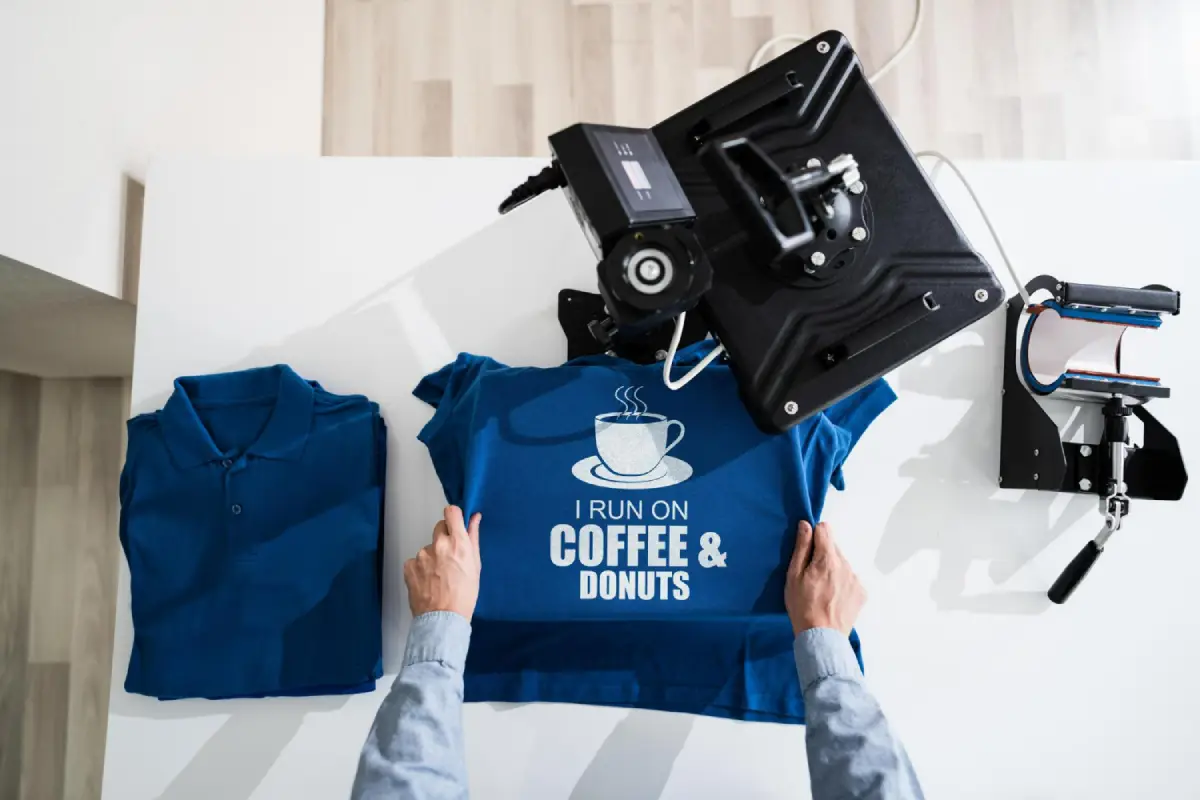
Stepping into the world of custom garment decoration often feels like navigating a maze of conflicting advice and expensive machinery. However, the emergence of dtf technology has fundamentally simplified this landscape, providing a reliable bridge between digital creativity and high-quality physical products. For many small business owners, the transition from traditional screen printing or vinyl application to this modern digital method is the missing piece of the puzzle. By leveraging dtf, you gain the ability to produce sharp, vibrant designs on almost any fabric type without the prohibitive setup costs that once defined the industry.
The beauty of this method lies in its precision. Because the design is printed directly onto a film rather than being manually cut or stenciled, you can achieve photographic levels of detail that are simply unattainable through other means. Whether you are crafting limited-edition streetwear or fulfilling bulk orders for corporate merchandise, the flexibility offered by dtf allows you to scale your production according to demand, keeping overhead low and efficiency high.
The Evolution of Apparel Transfer Quality
Quality is the currency of the custom apparel market. When customers place an order, they expect a graphic that feels integrated with the garment rather than a plastic sheet that sits on top of it. This is where professional-grade dtf transfers become indispensable. Unlike sublimation, which is restricted to polyester-heavy fabrics, or older transfer methods that felt stiff and prone to cracking, modern transfers are engineered for elasticity and softness.
To achieve this, the curing process is paramount. After the ink is printed and the adhesive powder is applied, the film must be cured in a controlled heat environment. This step ensures that the adhesive particles penetrate the ink layer just enough to create a durable, flexible bond. When handled correctly by Harwin or a skilled print partner, these transfers offer a retail-ready feel that can withstand dozens of wash cycles without losing color intensity or clarity.
Streamlining Your Workflow with On-Demand Solutions
Efficiency in a production environment is about minimizing waste and downtime. For many print shops, the bottleneck is often the curing and preparation stage. This is why many entrepreneurs are opting to partner with specialized producers who focus solely on high-volume, consistent output. Searching for dtf transfers near me can lead you to local providers who can help you bypass the need for an internal industrial curing oven, allowing you to focus your limited space and energy on the actual heat-pressing process.
By shifting to an on-demand model, you essentially eliminate the risk of overproduction. You no longer need to carry large stocks of pre-printed inventory that may or may not sell. Instead, you can order high-quality transfers as you receive client requests. This agility is what gives modern brands the competitive edge, allowing them to test new design trends quickly without the financial burden of traditional bulk production.
Best Practices for Flawless Application
Even the highest-quality transfer can fail if the application parameters are incorrect. The secret to success is maintaining a consistent heat-press environment. We recommend that every studio operator maintains a log of settings—specifically temperature, dwell time, and pressure—for different fabric compositions.
For example, a heavyweight cotton sweatshirt will require significantly more heat penetration than a lightweight polyester blend. Furthermore, always ensure your heat press is calibrated correctly; uneven pressure is the primary cause of inconsistent adhesion. At Harwin, we emphasize that consistent testing is the hallmark of a professional. By performing a simple wash test on every new fabric type you introduce, you safeguard your brand against customer complaints and build long-term trust.
Frequently Asked Questions
Why is this method considered more versatile than screen printing?
Unlike screen printing, which requires a separate screen for every color and a minimum order quantity to be cost-effective, dtf transfers are entirely digital. This allows for full-color, complex designs to be produced in single-piece runs without any setup fees, making it perfect for custom, one-off, or small-batch apparel projects.
What should I look for when searching for local transfer providers?
When searching for dtf transfers near me, prioritize suppliers who are transparent about their production standards. A top-tier provider will be happy to show you their curing methods and provide samples. Test these samples by pulling them to check for stretchability and by washing them to ensure the print doesn't lift or peel.
Can I apply these transfers to materials other than t-shirts?
Yes, the versatility is one of the main advantages. Beyond standard cotton and polyester shirts, you can apply these transfers to nylon, canvas, denim, and even treated leathers. This allows you to expand your product catalog into hats, bags, and jackets without needing to learn different printing techniques for each material.
How do I prevent the print from cracking after washing?
Cracking is almost always a result of incomplete curing or insufficient pressure. If your supplier uses professional-grade curing ovens, the transfer should be durable. Once you apply the transfer to your garment, follow the recommended cooling time before peeling the film to ensure the adhesive bond is completely set and stable.
Navigating the nuances of modern textile decoration is a journey of continuous learning, but with the right methods and materials, the path to success becomes much clearer. At Harwin, we are committed to helping you refine your production standards and scale your creative vision. Embrace these professional practices today to deliver products that not only meet but exceed your customers' expectations.