
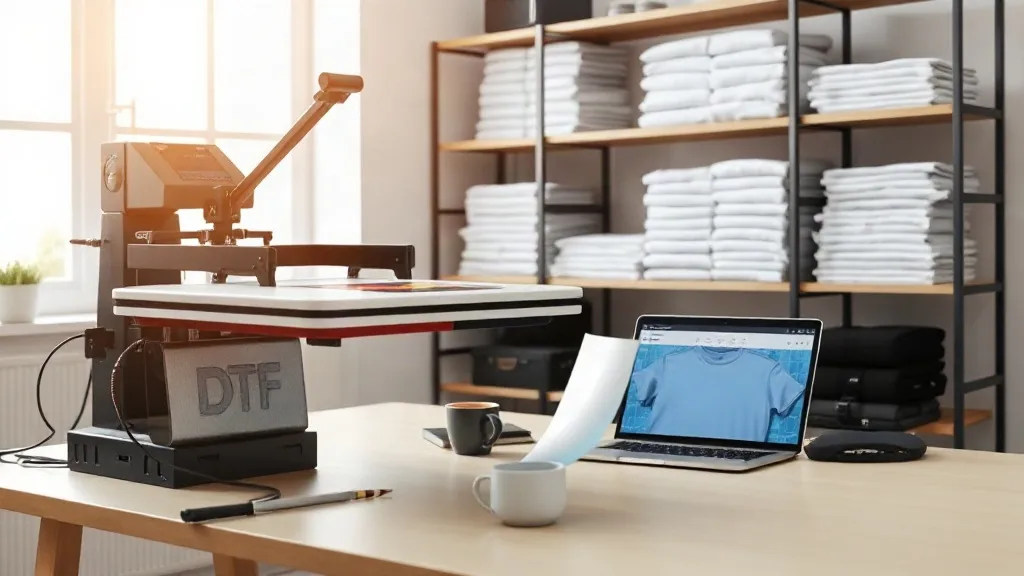
If you're running a print-on-demand (POD) business, you've probably heard about DTF transfers. But are you using them to their full profit potential? Many POD sellers treat DTF as just another decoration method, missing the opportunity to streamline operations, cut costs, and boost margins. In this guide, we'll explore how to build a profitable POD business around DTF transfers, from choosing the right blanks to pricing for profit and marketing your products effectively.
Why DTF Transfers Are a Game-Changer for POD
DTF (Direct-to-Film) transfers have revolutionized the POD industry. Unlike DTG or screen printing, DTF works on almost any fabric, including cotton, polyester, blends, and even nylon. This versatility means you can offer a wider range of products without investing in multiple printing setups. Plus, DTF transfers are durable, stretchable, and vibrant, giving your customers the quality they expect.
For POD businesses, the real advantage is efficiency. You can order transfers in bulk, store them, and apply them on demand. No minimums, no wasted inventory, and no need for expensive equipment. This lean model lets you scale quickly and respond to trends without overcommitting.
Choosing the Right DTF Supplier
Your supplier is the backbone of your DTF operation. Quality and reliability directly impact your final product and customer satisfaction. Here's what to look for:
- Consistent quality: Look for suppliers that use high-quality inks and films. Poor transfers crack, fade, or peel after a few washes.
- Fast turnaround: In POD, speed is crucial. Choose a supplier with quick production and shipping times.
- Competitive pricing: Bulk pricing should be transparent and scalable as you grow.
- Customer reviews: Check forums and social media for real feedback from other POD sellers.
If you're searching for dtf transfers near me, consider online suppliers that ship nationwide. Many reputable companies offer fast delivery and excellent support, so you're not limited by geography.
Pricing Strategies for Profit
Pricing is where many POD businesses stumble. You need to cover costs, account for fees, and still make a profit. Here's a simple formula to get started:
- Calculate your base cost: This includes the blank garment, the DTF transfer, and any packaging materials.
- Add platform fees: If you sell on Etsy, Amazon, or Shopify, factor in listing fees, transaction fees, and payment processing fees.
- Determine your desired profit margin: A common target is 30-50% profit margin. Adjust based on your market and perceived value.
- Set your retail price: Use the formula: (Base Cost + Fees) / (1 - Desired Profit Margin).
For example, if your base cost is $10 and fees are $3, and you want a 40% profit margin, your price would be ($10 + $3) / (1 - 0.40) = $21.67. Round up to $22 or $24 for psychological pricing.
Don't forget to review your pricing regularly. As you scale, you can negotiate better rates on blanks and transfers, improving your margins.
Streamlining Your Workflow
Efficiency is key to profitability. The more orders you can process in less time, the more money you make. Here's how to optimize your DTF workflow:
1. Organize Your Transfers
Store transfers in a cool, dry place, sorted by design or order date. Use a filing system or bins with labels. This reduces time spent searching and prevents mix-ups.
2. Invest in a Quality Heat Press
A reliable heat press with even pressure and accurate temperature control is essential. It ensures consistent application and reduces errors. Consider a press with a digital timer and auto-open feature for efficiency.
3. Batch Similar Orders
Group orders by shirt color or design to minimize setup changes. For example, press all black shirts first, then move to white. This saves time and reduces the risk of mistakes.
4. Use a Pre-Press Checklist
Create a checklist for each order: verify design, check shirt size and color, pre-press the garment, apply transfer, and do a quality check. This simple step prevents costly errors.
Marketing Your DTF Products
Even the best product won't sell if no one knows about it. Here's how to market your DTF transfers effectively:
- Showcase durability: Create videos or posts demonstrating wash tests. Customers want to know the design will last.
- Highlight versatility: Show your designs on different fabrics and garment types. This appeals to a broader audience.
- Use social proof: Encourage satisfied customers to leave reviews and share photos. User-generated content builds trust.
- Leverage SEO: Optimize your product listings with keywords like dtf and dtf transfers to attract organic traffic.
- Run targeted ads: Use Facebook and Instagram ads to reach your ideal customer. Start with a small budget and scale what works.
Remember, DTF transfers are a premium product. Emphasize quality and longevity in your marketing to justify higher prices.
Common Pitfalls to Avoid
Learning from others' mistakes can save you time and money. Here are some common pitfalls in DTF POD:
- Buying cheap transfers: Low-quality transfers lead to returns and bad reviews. Invest in quality.
- Inconsistent pressing: Follow the supplier's instructions precisely. Use a heat gun or infrared thermometer to verify temperature.
- Ignoring customer feedback: Pay attention to reviews and adjust your process or products accordingly.
- Not tracking expenses: Keep detailed records of all costs to ensure you're actually profitable.
Scaling Your Business
Once you've nailed your workflow and marketing, it's time to scale. Consider these strategies:
- Add new product lines: Expand beyond t-shirts to hoodies, tote bags, and hats. DTF works on many materials.
- Offer bulk discounts: Attract larger orders from teams, events, or businesses.
- Automate order processing: Use POD software to integrate with your store and automatically route orders to your production queue.
- Hire help: Train a team member to handle pressing and shipping so you can focus on growth.
Frequently Asked Questions
How much profit can I make with DTF transfers?
Profit margins vary based on your pricing and costs, but many POD sellers achieve 30-50% margins. By optimizing your workflow and sourcing, you can increase that.
What's the best way to find a reliable DTF supplier?
Research online reviews, ask in POD communities, and order samples before committing. Look for suppliers with consistent quality and fast shipping.
Can I use DTF transfers on dark shirts?
Yes, DTF transfers work on both light and dark fabrics. The white ink layer in the transfer ensures vibrant colors on dark backgrounds.
How do I market my DTF products effectively?
Focus on quality and durability. Use social media to showcase your designs, encourage customer reviews, and optimize your listings for search engines.
Is DTF better than DTG for POD?
DTF offers more versatility and lower startup costs, making it ideal for POD. DTG can be cost-effective for high-volume cotton orders, but DTF is generally more flexible.
Building a profitable POD business with dtf transfers is within reach. By choosing the right supplier, pricing smartly, streamlining your workflow, and marketing effectively, you can turn this decoration method into a thriving enterprise. Start small, test, and scale as you learn what works for your audience.