
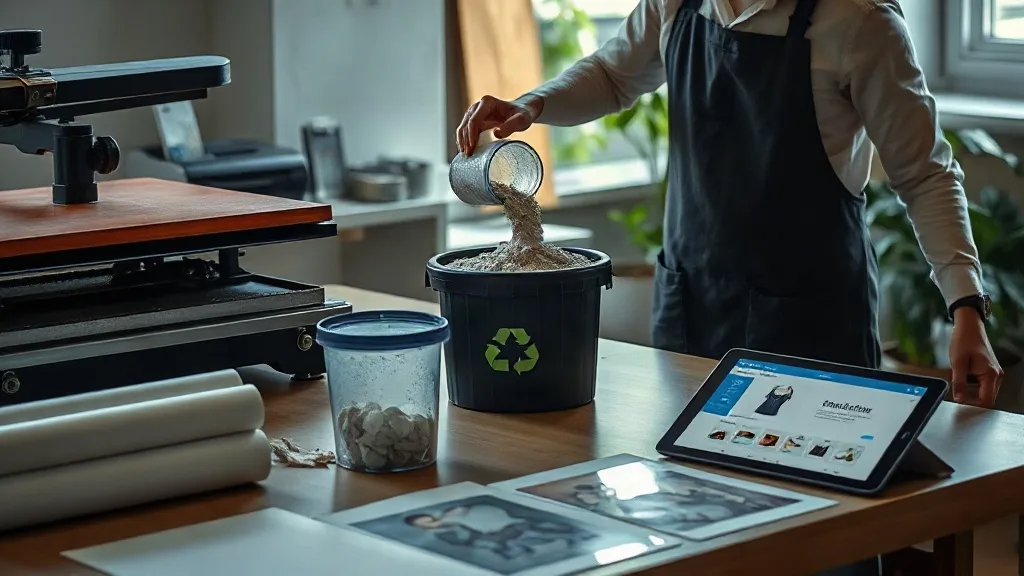
You've probably noticed the trash bin filling up faster than your profit margin. Running a DTF shop means dealing with film scraps, leftover powder, and empty ink cartridges. But what if you could trim that waste without sacrificing the quality of your dtf transfers? It's not about being a tree-hugger; it's about being a smarter operator. In this guide, I'll share practical, field-tested ways to make your DTF workflow leaner and greener. From small changes in your daily routine to bigger investments that pay off, you'll find actionable steps to reduce your environmental footprint while keeping your customers happy and your costs down.
Why Eco-Friendly Practices Matter for DTF Shops
Let's face it: DTF printing isn't the most eco-friendly process by default. Film is plastic-based, powder can become airborne, and heat presses guzzle electricity. But that doesn't mean you can't do better. Customers are increasingly asking about sustainability, and local regulations are tightening. More importantly, waste is money. Every scrap of film you toss is a few cents lost; every gram of powder that doesn't end up on a transfer is profit down the drain. By adopting greener habits, you're not just helping the planet; you're also improving your bottom line. And let's not forget the marketing angle: being able to say you run an eco-conscious shop can set you apart from the competition.
Reducing Film Waste: Small Changes, Big Impact
Film is one of the biggest contributors to waste in DTF printing. But with a few tweaks, you can cut down significantly.
Optimize Your Nesting
Nesting is the art of arranging prints on a roll to minimize unused space. Software like dtf RIP programs often have nesting features, but manual adjustment can yield even better results. Group similar-sized jobs together, rotate designs when possible, and avoid printing one small design on a fresh sheet if you can fit it onto an existing roll. I've seen shops reduce film waste by up to 30% just by paying attention to layout.
Reuse and Repurpose Scraps
Not all scraps are useless. Small pieces can be used for test prints, color checks, or even tiny logos. Keep a bin of usable offcuts and label them by size. When a customer orders a small left-chest print, you might have a piece that fits perfectly. For truly unusable bits, check if your local recycling center accepts plastic film. Some municipalities do, though you'll need to clean off any powder or ink first.
Choose the Right Film Width
Buying film in the right width for your typical jobs can reduce trim waste. If most of your prints are under 12 inches wide, using a 13-inch roll makes more sense than a 24-inch roll. Yes, you might pay a bit more per square inch, but you'll waste less and save storage space. Many suppliers offer custom widths, so don't be afraid to ask.
Powder Management: Keep It in the Shaker, Not the Air
Adhesive powder is another area where you can tighten up. Spilled powder isn't just messy; it's a health hazard and a waste of money.
Invest in a Powder Shaker
If you're still sprinkling powder by hand, you're likely using more than you need. A dedicated powder shaker or a repurposed kitchen sieve gives you more control. You'll use less powder per print, and the application will be more even, leading to better adhesion. Plus, you'll reduce airborne particles, which is better for your lungs and your shop's air quality.
Recover and Reuse Excess Powder
After shaking off the excess, collect it on a clean tray or paper. If it's free of contaminants, you can funnel it back into your container. Just be sure to sift it to remove any clumps or debris. I keep a small fine-mesh strainer handy for this. Over a month, that recovered powder adds up to real savings.
Store Powder Properly
Powder absorbs moisture, which makes it clump and become unusable. Store it in an airtight container in a cool, dry place. I use a sealed plastic bin with a desiccant pack. This prevents waste from spoiled powder and ensures consistent results.
Energy Efficiency: Taming the Heat Press
Heat presses are energy hogs, but you can reduce their consumption without sacrificing quality.
Use a Press with Insulated Plates
Some modern presses have insulated heating elements that retain heat better, meaning they cycle on less frequently. If you're in the market for a new press, look for this feature. It might cost more upfront, but it pays off in energy savings over time.
Batch Your Jobs
Instead of firing up the press for one or two transfers, batch similar jobs together. The press stays hot, and you avoid the energy spike of heating up from cold. Plan your day so that all pressing happens in one block. You'll also save time.
Turn It Off When Idle
It's tempting to leave the press on between jobs, but if you're going to be away for more than 15 minutes, turn it off. Modern presses heat up quickly, so the recovery time is minimal. I installed a timer switch on my press to avoid forgetting.
Ink and Supplies: Choose Wisely
Not all inks and films are created equal when it comes to environmental impact.
Look for Eco-Friendly Inks
Some manufacturers offer water-based or bio-based inks that are less harmful than traditional solvent-based ones. While they may require some adjustment to your workflow, they can reduce VOC emissions and make your shop safer. Ask your supplier about the eco-credentials of their inks.
Recycle Empty Cartridges
Many ink cartridge manufacturers have take-back programs. Don't just toss them in the trash. Collect them and send them back for recycling. Some suppliers even offer discounts on future orders in exchange.
Choose Recyclable Film
Some films are made from recycled PET or are designed to be more easily recyclable. While these might cost slightly more, they can be a selling point for eco-conscious customers. Test them to ensure they work with your setup.
Waste Reduction in Daily Operations
Beyond the technical aspects, your daily habits matter.
Digital Proofing
Before printing, always do a digital proof on screen. Catching a typo or color issue before printing saves film, ink, and powder. Encourage customers to approve digital proofs rather than physical samples for every order.
Maintain Your Equipment
A well-maintained printer and press run more efficiently and produce fewer misprints. Regular cleaning and calibration prevent clogs and uneven output, reducing waste from failed prints.
Train Your Staff
Make sure everyone on your team understands the importance of waste reduction. Simple things like turning off lights, properly sealing powder containers, and nesting prints can make a big difference when multiplied across the team.
Marketing Your Eco-Friendly Efforts
Customers appreciate knowing that their purchase is less harmful to the environment. Don't be shy about sharing your practices. Add a page to your website detailing your sustainability efforts. Use social media to show behind-the-scenes of your waste reduction. You might even attract new customers who prioritize eco-friendly businesses. Just be honest; don't claim to be perfect, but show that you're making an effort.
Frequently Asked Questions
How can I find dtf transfers near me that use sustainable practices?
Start by searching online for local DTF printers and check their websites for any mention of eco-friendly initiatives. Don't hesitate to call and ask directly about their waste reduction, ink choices, and recycling policies. Local business networks or craft fairs are also good places to connect with like-minded shop owners.
Is DTF printing more or less eco-friendly than other decorating methods?
It's complicated. DTF uses less water than traditional screen printing and doesn't require screens that eventually end up in landfills. However, it does use plastic-based film and energy-intensive heat presses. The overall impact depends on your practices. By adopting the tips above, you can make DTF relatively eco-friendly compared to other methods.
What's the biggest source of waste in a DTF shop?
Film scraps and misprints are typically the largest contributors, followed by excess powder and energy consumption. Focusing on film optimization and proper powder management will yield the biggest reductions.
Can I recycle used DTF film?
It depends on your local recycling facilities. Some accept clean PET film, but you must remove any ink and powder residue. Check with your municipality. Alternatively, some suppliers offer take-back programs for used film.
How do I convince my boss to invest in eco-friendly equipment?
Frame it in terms of cost savings. Show how reduced waste and energy efficiency lead to lower operating costs. Calculate the payback period for investments like a powder shaker or energy-efficient press. Also highlight the marketing advantage and potential to attract new customers.