
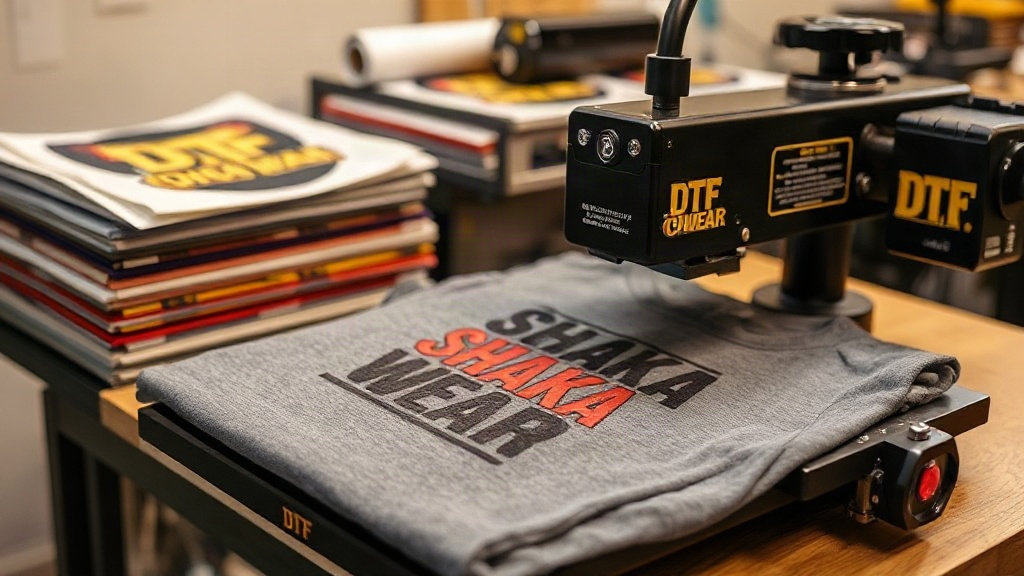
When you pull a fresh Shaka Wear tee from its packaging, the first thing you notice is the weight. It is not flimsy, not overly stiff, but substantial enough to feel like it will hold up wash after wash. For those of us who spend hours behind a heat press, that initial impression matters. Shaka Wear has quietly become a go-to blank for DTF printers who need reliability without sacrificing comfort or style. In this guide, we will explore why these garments work so well with DTF transfers, how to choose the right styles, and the techniques that yield flawless results.
Why Shaka Wear Stands Out for DTF Printing
DTF printing has revolutionized the way we decorate apparel. Unlike vinyl or screen printing, DTF transfers can handle intricate details, gradients, and photographic images with ease. But the success of a DTF print depends heavily on the fabric it adheres to. Shaka Wear garments are predominantly made from 100% cotton or cotton-rich blends, which provide an ideal surface for the adhesive powders and inks used in DTF. The fabric’s tight weave prevents the transfer from sinking in too deeply, allowing the colors to pop and the details to remain sharp.
Another advantage is consistency. Shaka Wear maintains strict quality control, so the fabric you order today behaves the same way as the one you ordered six months ago. For print shops, that predictability reduces wasted transfers and unhappy customers. Whether you are printing a single custom tee or a batch of fifty, you can dial in your press settings once and trust that the results will be repeatable.
Choosing the Right Shaka Wear Blank for Your Project
Shaka Wear offers a variety of styles, from classic crew necks to hoodies and tank tops. The choice of blank affects not only the final look but also the printing process. Here is what to consider:
- Fabric content: 100% cotton is the easiest to work with. It withstands higher heat and provides excellent adhesion. Cotton-poly blends can also work, but you may need to adjust temperature and pressure to avoid scorching or poor adhesion.
- Fabric weight: Heavier fabrics (like 6 oz and up) tend to be more forgiving with DTF. They resist shrinking and can handle the heat of the press without warping.
- Color: Light colors allow vibrant prints without a white underbase, while dark colors require a white layer in the transfer to make colors visible. Shaka Wear’s deep blacks and rich navies are popular for high-contrast designs.
- Style: Crew necks are versatile, but hoodies and long sleeves offer more canvas space. Consider the end use: a promotional tee might call for a lightweight crew, while a premium hoodie can command a higher price.
Preparing Shaka Wear Garments for DTF Transfers
Proper preparation is half the battle. Even the best DTF transfer can fail if the garment is not prepped correctly. Start by pre-pressing the shirt for a few seconds to remove moisture and wrinkles. This step is crucial because moisture can turn to steam during pressing, causing the transfer to lift or bubble. Set your heat press to the recommended temperature for DTF, typically around 325°F (160°C). Pre-press for 5-7 seconds with medium pressure.
While the shirt cools, inspect the transfer for any flaws. DTF transfers should be stored in a cool, dry place and handled by the edges to avoid contaminating the adhesive with oils from your skin. If you are using a roll, cut the transfer slightly larger than the design to allow for slight movement during pressing.
Pressing Techniques for Optimal Adhesion
The pressing stage is where the magic happens. Place the transfer onto the shirt with the adhesive side down (the printed side up). If your transfer has a white backing, that side goes against the fabric. Cover the transfer with a protective sheet, such as parchment paper or a Teflon sheet, to prevent the inks from sticking to the upper platen.
Press with medium to firm pressure for 15-20 seconds. The exact time can vary based on your press and the transfer manufacturer, so always follow the transfer’s instructions first. After pressing, peel the transfer while it is still warm (warm peel) or let it cool completely (cold peel) depending on the type. Most DTF transfers are cold peel, meaning you wait until the transfer is completely cool to the touch before removing the film. This allows the adhesive to set properly.
For a softer feel, you can do a second press for 5-10 seconds after peeling, using a Teflon sheet or parchment paper. This step, often called a post-press, helps the print sink slightly into the fabric and improves wash durability.
Common Challenges and How to Overcome Them
Even experienced printers run into issues. Here are some common problems with DTF on Shaka Wear and their solutions:
- Transfer peeling after washing: This usually means insufficient pressure or time. Increase pressure and ensure you are pressing for the full recommended duration. Also, verify that the fabric is completely dry before pressing.
- Colors look dull: On dark garments, the white underbase might not be opaque enough. Try increasing the white layer in your transfer or use a higher-quality transfer. Also, ensure you are not over-pressing, which can cause the white to yellow.
- Cracking: Cracking occurs when the transfer is stretched beyond its limits. Choose designs that do not span across seams or high-stretch areas. If cracking is a recurring issue, consider using a stretchable DTF transfer or a fabric with some elastane.
- Ghosting or double image: This happens when the transfer shifts during pressing. Use heat-resistant tape to secure the transfer before pressing, and make sure your press is level.
Care Instructions to Keep Prints Looking New
Customers appreciate care instructions that help them preserve their custom apparel. Include a small card with each order, advising them to:
- Wait 24 hours before the first wash to allow the adhesive to fully cure.
- Turn the garment inside out before washing.
- Use cold water and a gentle cycle.
- Avoid bleach and fabric softeners, which can degrade the adhesive.
- Tumble dry on low or hang dry. High heat can cause the print to crack or peel.
- Iron inside out, never directly on the print.
Following these steps can extend the life of the print significantly, keeping your customers happy and your brand reputation intact.
Frequently Asked Questions About Shaka Wear and DTF Printing
Can I use DTF transfers on Shaka Wear hoodies?
Absolutely. Shaka Wear hoodies are typically made from cotton or cotton-poly fleece, which work well with DTF. Just be mindful of the thicker fabric: you may need to increase pressure and slightly extend the pressing time to ensure the transfer adheres evenly. Pre-pressing is especially important to flatten the fleece and remove moisture.
What is the best temperature for pressing DTF on Shaka Wear t-shirts?
Most DTF transfers recommend 325°F (160°C) with medium to firm pressure for 15-20 seconds. However, always check the instructions that come with your transfers. Some manufacturers suggest slightly different settings. It is a good idea to do a test press on a scrap piece of fabric to dial in the perfect settings for your specific press.
Do I need to pre-treat Shaka Wear shirts before DTF printing?
No chemical pre-treatment is required. However, pre-pressing the garment for 5-7 seconds is essential to remove wrinkles and moisture. This step ensures a smooth surface and prevents steam from interfering with adhesion. For best results, use a lint roller to remove any lint or dust before pressing.
How durable are DTF prints on Shaka Wear garments?
When applied correctly, DTF prints on Shaka Wear can last as long as the garment itself. The key is proper pressing and care. With cold washing, inside-out drying, and avoiding high heat, you can expect the print to remain vibrant and intact for many washes. Some printers report prints lasting over 50 washes without significant fading or cracking.
Can I stretch DTF prints on Shaka Wear without cracking?
DTF transfers have some elasticity, but they are not infinitely stretchable. If you need a print that can stretch significantly, consider using a transfer designed for stretch fabrics or a garment with elastane. For most designs on Shaka Wear, normal wear and movement will not cause cracking if the print is applied correctly.