
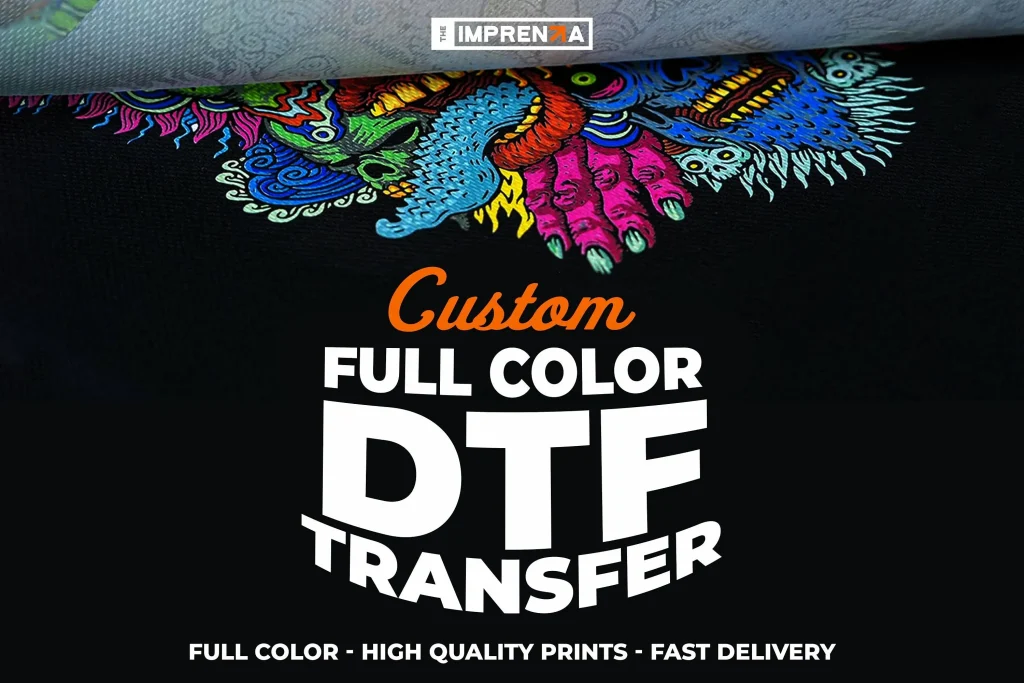
DTF Transfers, or Direct to Film transfers, represent a revolutionary advancement in the world of custom apparel printing. This innovative technique stands out for its ability to produce vibrant, high-quality prints on various fabrics, making it a viable alternative to traditional methods like screen printing and direct to garment (DTG) printing. With the rise of DTF printing advantages, businesses now have the opportunity to deliver intricate designs with impressive detail and color vibrancy that can appeal to broader consumer bases. Whether you’re looking to enhance your custom t-shirt printing offerings or explore new avenues in apparel printing, DTF Transfers are an exciting option worth considering. In this article, we’ll delve into the benefits of DTF transfers and compare them to other popular printing methods to help you find the right fit for your needs.
When exploring options for fabric printing, the term DTF Transfers might also come up as Direct to Film printing. This modern technique has garnered attention for its efficiency and versatility, contrasting sharply with conventional methods such as screen printing and direct to garment approaches. DTF printing boasts remarkable capabilities for detailed designs and a dazzling color palette, making it a front-runner in custom apparel creation. As businesses increasingly seek adaptable solutions for varying order sizes, the technology behind DTF Transfers meets this demand effortlessly, facilitating quick adjustments and rapid production. This article will further analyze why DTF transfers are gaining prominence in the competitive landscape of apparel printing.
Exploring the Versatility of DTF Transfers
DTF transfers are revolutionizing the custom apparel printing landscape due to their remarkable versatility. Unlike traditional methods such as screen printing, which typically excel in high-volume production runs with minimal color variations, DTF can produce a multitude of designs with varying colors and intricate details without breaking the bank. This adaptability makes DTF printing particularly appealing to small businesses or individual creators who may need to frequently alter their designs or produce smaller batches.
The ability of DTF transfers to work on a wide array of fabrics—ranging from cotton to polyester and blends—further enhances its appeal. Whether you’re looking to create bold t-shirts, stylish hoodies, or even accessories, DTF can deliver exceptional quality across diverse materials. This capability allows for a broader scope of creativity and experimentation, encouraging businesses to explore new styles and trends without the traditional constraints of printing methods.
Advantages of DTF Transfers Over Traditional Methods
One of the most significant advantages of DTF transfers is the ease of use and reduced setup time compared to traditional screen printing. Screen printing often requires extensive preparation, including the creation of screens for each color, which can be time-consuming and costly, especially for small orders. In contrast, DTF printing involves a straightforward digital design process that requires minimal setup, allowing for faster production times and an enhanced ability to pivot quickly when designs need to be revised.
Additionally, DTF printing provides an exceptional level of detail and color vibrancy. Unlike DTG printing, which can face challenges with dark fabric colors, DTF excels at applying vibrant hues and fine details on various materials. This makes DTF an exceptional choice for businesses aiming to offer eye-catching and professional-looking apparel that appeals to customers seeking quality and style.
Cost-Effectiveness of DTF Printing
When it comes to the financial aspect of custom apparel printing, DTF transfers often emerge as the most cost-effective alternative compared to screen printing and DTG. The ability to produce high-quality prints without incurring hefty setup fees means that businesses can maintain their margins even on smaller orders. For entrepreneurs and small businesses, this can be a game changer, allowing them to offer affordable pricing to customers without sacrificing the quality of the final product.
Furthermore, DTF printing can accommodate a variety of order sizes without the risk of overspending on materials and setup. This flexibility enables businesses to experiment with different designs and quantities, supporting a more dynamic approach to inventory management. Ultimately, the low-cost, high-quality nature of DTF transfers empowers businesses to diversify their product offerings, driving growth and customer satisfaction.
Comparative Analysis: DTF vs. Direct to Garment (DTG)
While both DTF and DTG printing provide exceptional quality for custom apparel, they cater to different needs and scenarios. DTG printing is often seen as the premium option, allowing for high-resolution prints on cotton-based fabrics. However, this comes at the cost of a higher initial investment and longer production times, which may not align with the demands of every business. Businesses that require swift turnarounds or work with varying fabric types may find DTF to be the more suitable choice.
Moreover, DTF printing’s adaptability to a wider range of fabrics also sets it apart from DTG. As trends shift and consumer preferences evolve toward mixed-material apparel, DTF offers the versatility needed to adapt to those changes seamlessly. For business owners considering their options, understanding the distinctions between DTF and DTG can lead to better decision-making regarding which printing method aligns best with their operational goals.
The Growing Popularity of DTF Transfers in the Custom Printing Industry
The rise of DTF technology signals an exciting evolution within the custom apparel printing industry. As more companies turn to DTF for their printing needs, the technology is quickly overshadowing traditional methods, such as screen printing, and is carving out a significant niche in the market. The allure of producing vibrant, high-quality prints without the extensive setup costs has made DTF an attractive option for both established brands and startups looking to capture market share.
Furthermore, the efficiency that DTF printing provides has led to shorter lead times and improved customer satisfaction. As businesses strive to meet the growing consumer demand for personalized and unique designs in a timely fashion, DTF stands out as the preferred solution. This trend suggests that partnerships with DTF transfer providers may become increasingly essential for businesses aiming to stay competitive in the evolving landscape of custom apparel.
Key Considerations When Choosing DTF Transfers for Your Business
Selecting the right printing method is crucial for your custom apparel business. When considering DTF transfers, reflect on your production volume and the types of fabrics you plan to work with. DTF is particularly effective for small to medium-size orders and caters to various fabric types, making it a versatile choice for businesses aiming to offer a diverse product line.
Additionally, think about your budget and turnaround requirements. DTF printing typically allows for rapid production without incurring the costs associated with extensive setup, making it a financially sound option for businesses looking to scale efficiently. By evaluating these factors, you can determine if DTF transfers will meet your custom printing needs and contribute to your business’s success.
Frequently Asked Questions
What are DTF Transfers and how do they work in custom t-shirt printing?
DTF Transfers, or Direct to Film transfers, are a revolutionary method used in custom t-shirt printing. This involves printing your designs onto a special film, which is then heat-pressed onto the fabric. This technique allows for vibrant colors and intricate details to be transferred onto various fabrics, including cotton and polyester, making it an excellent choice for apparel printing.
What are the advantages of using DTF printing over traditional screen printing?
DTF printing offers several advantages over traditional screen printing, including reduced setup times, cost-effectiveness for smaller runs, and the ability to print on a variety of fabrics without losing quality. Unlike screen printing, which can be costly and time-consuming for low-volume orders, DTF allows for quick design changes and vibrant outputs, making it more flexible for custom apparel businesses.
Can DTF Transfers be used on dark fabrics?
Yes, one of the standout features of DTF Transfers is their ability to produce bright, bold colors and fine details, even on dark fabrics. This capability sets DTF printing apart from other techniques, like screen printing, which may struggle with vibrant color retention on such materials.
How does the turnaround time of DTF Transfers compare to Direct to Garment (DTG) printing?
The turnaround time for DTF Transfers is generally quicker than Direct to Garment (DTG) printing. DTF printing requires less setup time, making it ideal for businesses needing fast fulfillment of custom designs or small order runs, whereas DTG can be slower due to its more complex printing process.
What types of fabrics are best suited for DTF Transfers?
DTF Transfers are highly versatile and can be used on a variety of fabrics including cotton, polyester, and fabric blends. This flexibility makes DTF printing an excellent choice for custom apparel, allowing designers to create vibrant prints on different materials without compromising quality.
Are DTF Transfers a cost-effective option for custom apparel printing?
Absolutely! DTF Transfers are often more cost-effective than traditional methods like screen printing, particularly for small orders or frequent design changes. The reduced setup costs and quick production times make DTF printing a smart choice for businesses looking to offer diverse custom apparel options.
| Feature | DTF Transfers | Screen Printing | Direct to Garment (DTG) |
|---|---|---|---|
| Vivid Colors and Detail | Produces bright colors and intricate details on various fabrics. | Best for few colors; struggles with detail on dark fabrics. | Excellent image quality but limited to cotton fabrics. |
| Versatility | Allows for quick design changes and small runs without high costs. | Limited flexibility with small batches due to setup. | Suitable for high-resolution prints but less versatile overall. |
| Reduced Setup Times | Requires less setup time, ideal for quick turnarounds. | High setup costs and time can hinder small orders. | Tends to be slower, impacting large order production speeds. |
| Cost-Effectiveness | More affordable for small production runs and customization. | High initial costs can make small orders expensive. | Requires high initial investment, impacting accessibility. |
Summary
DTF Transfers have emerged as a revolutionary printing method that combines vivid color output with practical efficiency. Unlike traditional printing techniques, DTF transfers allow for intricate designs to be applied on various fabrics without the high cost of setup associated with screen printing or the slow production speeds of DTG. This flexibility makes DTF printing an ideal choice for businesses looking to create custom apparel, especially for smaller runs or frequently changing designs. As the industry evolves, DTF will likely continue to redefine standards in the realm of custom printing, allowing creators to meet consumer demands with high-quality results.