
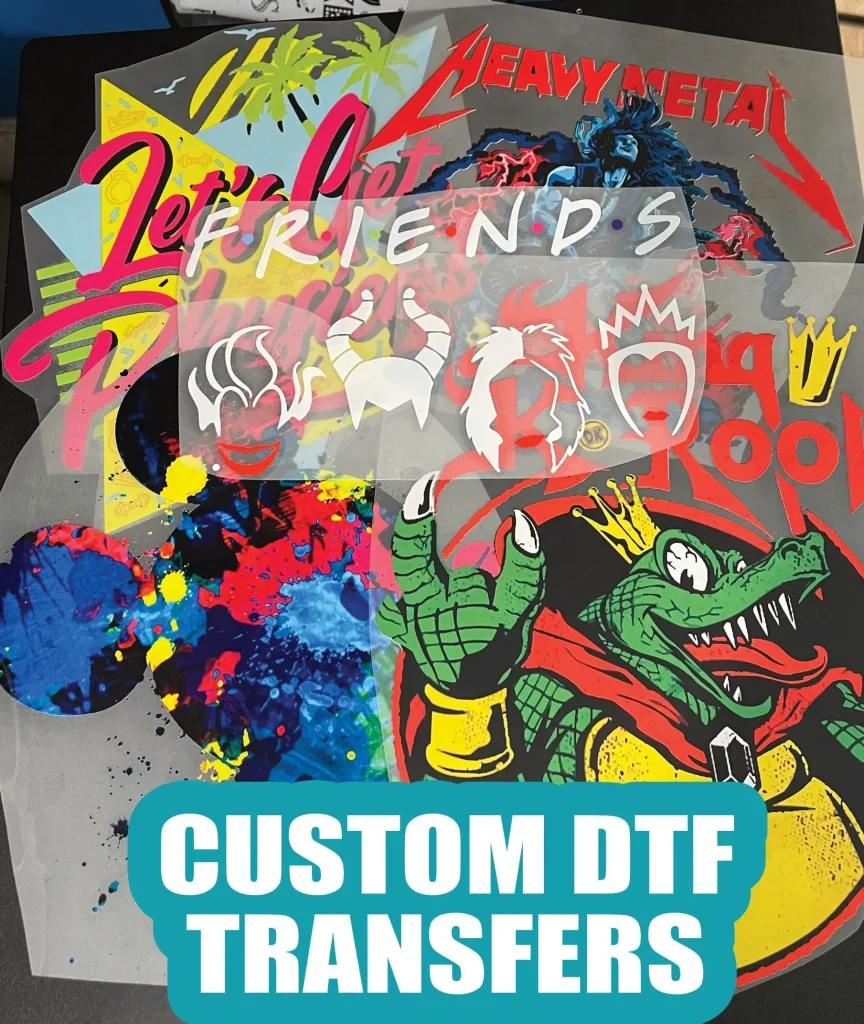
DTF transfers, or Direct-to-Film transfers, represent a groundbreaking advance in fashion design, redefining how designers express creativity on fabric. With the growing emphasis on customization in fashion, DTF printing technology allows for stunning designs that are both intricate and vibrant, without the hefty cost of traditional printing methods. This approach not only delivers exceptional quality but also supports sustainable fashion initiatives, reducing waste and resource consumption in the industry. Fashion designers now have an exciting array of custom clothing options at their disposal, enabling them to cater to diverse tastes and preferences. As we explore the versatility of DTF transfers, it’s clear that this technique is reshaping the future of fashion design with innovative and eco-conscious solutions.
Known in the industry as Direct-to-Film printing, the method of using film to transfer images onto fabrics is gaining momentum in contemporary fashion. This cutting-edge printing technology is increasingly favored by designers who appreciate the ability to create unique patterns and textiles that resonate with their clientele. By utilizing fashion design techniques that incorporate these innovative transfers, brands can efficiently produce customized apparel while minimizing their environmental footprint. As the trend shifts towards personalized clothing options, designers are turning to DTF as a solution that allows for rapid production without sacrificing aesthetic quality. The evolution of this printing method not only enhances creative expression but also aligns with the industry’s movement towards sustainability.
Introduction to DTF Transfers and Their Impact on Fashion Design
The advent of **DTF transfers** (Direct-to-Film transfers) has sparked significant changes in the landscape of fashion design. This technique, known for its versatility and efficiency, allows designers to create striking apparel with intricate details and color vibrancy. Unlike traditional methods, DTF printing caters to a wide range of fabric types and textures, which makes it an ideal choice for contemporary designers looking to innovate and stand out in a crowded market. With its unique ability to apply complex patterns swiftly, DTF transfers redefine how we think about garment customization, merging artistic expression with technical proficiency.
Moreover, as fashion design evolves, the incorporation of DTF transfers offers not merely a printing option but a strategic advantage. Designers are now equipped to meet the demands of fast fashion while still promoting creativity and individuality among their clients. This technology empowers them to produce short runs of customized pieces without the prohibitive costs and long lead times typically associated with traditional printing methods. In a world where personal branding is crucial, DTF transfers provide the perfect platform for artists and fashion innovators to deliver unique designs that resonate with diverse audiences.
Exploring the Benefits of DTF Transfers in Sustainable Fashion
Sustainability is no longer just a trend; it has become a vital aspect of modern fashion design. DTF transfers play a pivotal role in promoting sustainable practices within the industry. Unlike other printing methods that waste water and require harmful chemicals, DTF technology minimizes environmental impact by producing less waste and utilizing biodegradable inks. As brands become more conscious of their ecological footprint, embracing DTF transfers as part of their production processes can enhance their appeal to eco-conscious consumers and reflect their commitment to sustainability.
In addition to reducing waste, DTF transfers allow for greater flexibility in production. Brands can easily switch designs and materials with minimal downtime and cost, which leads to a reduction in overproduction and stock waste. This adaptability not only supports sustainable fashion but also aligns with the growing consumer preference for customized clothing options that reflect personal values. As designers leverage DTF printing technology, they contribute to a more sustainable fashion future while catering to client demands for unique and meaningful fashion statements.
DTF Printing Technology: Features and Advantages
The **DTF printing** technology stands out due to its unique features and multiple advantages. This innovative printing method combines the best aspects of digital printing and heat transfer, allowing for the creation of vivid designs and patterns on various fabric types. One of the key benefits of DTF transfers is their ability to reproduce intricate designs with high accuracy, ensuring that even the most detailed artwork maintains its integrity throughout the production process. This makes DTF a go-to choice for fashion designers seeking to push creative boundaries.
Beyond aesthetic brilliance, DTF transfers offer a cost-effective solution for small to medium-sized businesses. By lowering production costs compared to traditional methods, these technologies enable designers and brands to experiment with new styles and niche markets without financial strain. The ability to produce high-quality items at a lower price while still achieving quick turnaround times means that trend-conscious consumers are increasingly drawn to DTF-printed pieces, enhancing both sales and brand loyalty.
Innovative Techniques in Fashion Design with DTF Transfers
Creative methodologies in fashion design are evolving rapidly with the integration of **DTF transfers**. Designers are combining traditional fashion design techniques with modern digital printing technology to craft unique garments that showcase original artwork. The ease of manipulating DTF prints allows designers to experiment with an array of colors, textures, and graphics, creating collections that tell a story and resonate with consumers on a personal level. This innovation transforms ordinary clothing items into wearable art, catering to the desires of a more sophisticated fashion audience.
Furthermore, the art of layering prints using DTF transfers provides designers with unparalleled creative possibilities. By incorporating multiple designs in a single piece, fashion creators can elevate their work, resulting in garments that stand out in terms of style and originality. This blending of traditional craftsmanship with cutting-edge technology fosters an environment of creativity wherein designers can explore new themes and trends while staying relevant in a fast-paced industry.
Diving Deeper into DTF’s Growth in the Fashion Industry
The surge in popularity of **DTF transfers** is undeniable, reflecting shifts in consumer preferences toward personalized and unique apparel. As the landscape of the fashion industry evolves, brands are recognizing the importance of offering customized clothing options that cater to individual tastes and preferences. DTF technology fits seamlessly into this trend, allowing brands to produce smaller runs of customized items, thus satisfying the growing demand for exclusivity among fashion-forward consumers.
In addition, the rise of micro-brands and independent designers is fueled by the capabilities offered by DTF printing. These entrepreneurs utilize DTF technology to differentiate themselves in a competitive market, tapping into niche segments that larger brands may overlook. This democratization of fashion production not only gives rise to innovative designs but also reaffirms the value of artisanal craftsmanship, maintaining a personal connection between the designer and the consumer.
Future of Fashion Design with DTF Transfers
The future of fashion design looks promising with the ongoing advancements in **DTF printing technology**. As the industry increasingly prioritizes sustainability and customization, DTF transfers are likely to play an even more significant role. Innovations such as improved printer capabilities, AI integration for production optimization, and eco-friendly materials are key factors that will shape the future landscape of fashion. These developments enable designers to push creative boundaries while embracing sustainable approaches to production.
Moreover, as consumer expectations evolve, brands that adopt DTF technology will be well-positioned to stay ahead of the curve. The rapid turnaround times associated with DTF printing allow designers to respond quickly to emerging trends, enhancing their relevance in a fast-paced market. As we move forward, fashion professionals who harness the versatility and advantages of DTF transfers will not only meet the demands of the current industry but also lead the charge toward a more sustainable and innovative future in fashion.
Frequently Asked Questions
What are DTF transfers and how do they work in fashion design?
DTF transfers, or Direct-to-Film transfers, are a printing technology that allows designers to print vibrant designs onto a special film, which is then transferred onto garments using heat. This method ensures high-quality prints on various fabrics, enabling intricate designs that are durable and visually appealing, thus revolutionizing fashion design.
What are the benefits of using DTF printing technology in custom clothing?
Using DTF printing technology for custom clothing offers several benefits, including lower production costs, quicker turnaround times, and the ability to create highly detailed designs. This makes it an ideal choice for fashion designers looking to offer unique, personalized apparel while maintaining quality and efficiency.
How does DTF printing support sustainable fashion practices?
DTF printing supports sustainable fashion by generating less waste and using significantly less water compared to traditional printing methods. Additionally, innovations in eco-friendly inks and biodegradable materials help reduce the environmental impact, aligning with the growing consumer demand for sustainable practices in the fashion industry.
Can DTF transfers be used on all types of fabric?
Yes, DTF transfers can be applied to a wide range of fabrics, including cotton, polyester, and blends. This versatility allows designers to experiment with different materials, enhancing the creative possibilities in fashion design and catering to various market segments.
What makes DTF transfers a popular choice for personalized clothing options?
DTF transfers are particularly popular for personalized clothing options because they allow for quick and cost-effective production of unique designs. This adaptability enables brands to respond to consumer demand for custom apparel, providing a wide array of colors, patterns, and personalized messages.
What advancements in technology are influencing the growth of DTF transfers in the fashion industry?
Recent advancements influencing the growth of DTF transfers include enhanced printer quality for sharper designs, integration of artificial intelligence to streamline workflows, and the development of eco-friendly inks. These innovations not only improve production efficiency but also align with the fashion industry’s shift towards sustainability.
| Key Point | Description |
|---|---|
| What are DTF Transfers? | Direct-to-Film transfers (DTF) revolutionize garment design through a blend of digital printing and heat transfer. |
| Benefits of DTF Transfers | Cost-effective, enables intricate designs, environmentally friendly, and offers quick turnaround times. |
| Market Trends | Increasing demand for customized apparel boosts the popularity of DTF technology. |
| Technological Innovations | Enhanced printer quality, AI integration, and eco-friendly materials support DTF advances. |
| Case Studies | Brands successfully utilizing DTF include local artists’ collectives and eco-conscious fashion lines. |
Summary
DTF transfers have emerged as an innovative solution within the realm of fashion design. This groundbreaking method not only allows for high-quality customization but also adheres to sustainability practices, making it a favored choice for modern designers. As consumer preferences shift towards personalized and eco-friendly clothing, DTF transfers are set to play a pivotal role in shaping the future of the fashion industry. With their ability to produce intricate designs at lower costs and faster turnaround times, DTF technology is truly redefining the possibilities within apparel design.