
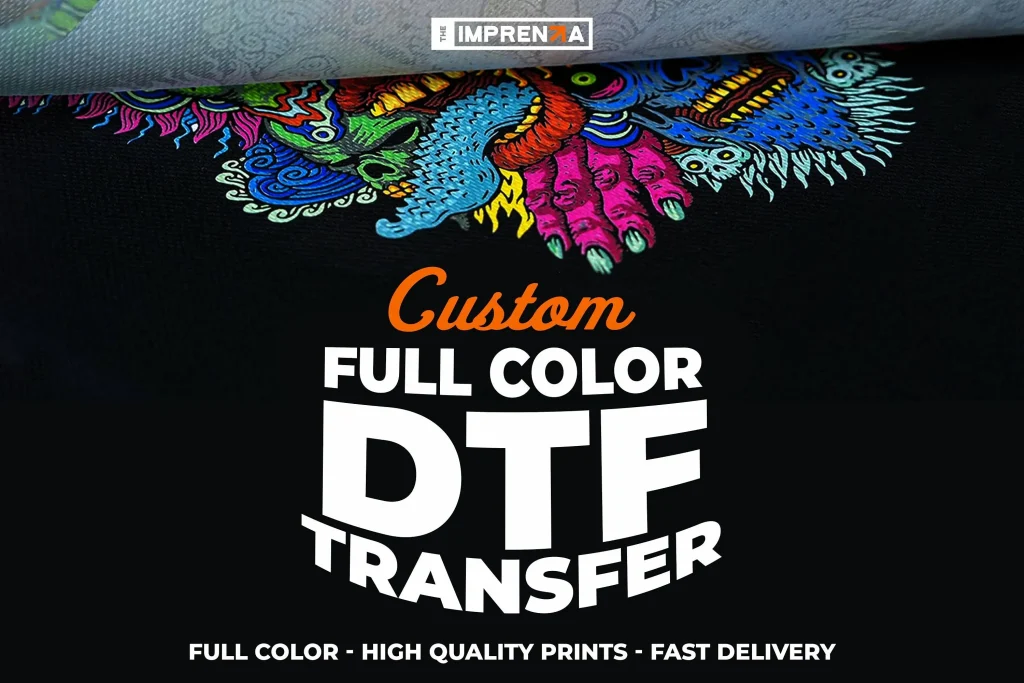
In the vibrant landscape of textile printing, **DTF transfers** are revolutionizing the industry with their unique capabilities and significant advantages over traditional methods. This innovative approach, known as Direct to Film printing, allows for the rapid transfer of detailed graphics onto a wide range of fabrics, from cotton to polyester. As businesses and creative individuals seek efficient and high-quality solutions for custom apparel, the benefits of DTF transfers become increasingly evident. Not only do they offer superior color vibrancy and durability, but their adaptability across multiple applications makes them a go-to choice for t-shirt printers and promotional product creators alike. In this guide, we will delve into the advancements in DTF technology, exploring its diverse applications and the tremendous potential it holds for an evolving market.
Direct to Film technology, often referred to as DTF printing, is shaking up the textile printing sector with innovative solutions that cater to both businesses and individual creators. This state-of-the-art printing process enables the application of intricate designs onto various textiles, producing crisp and vibrant visuals that are perfect for a multitude of products. The versatility of DTF printing applications includes not just t-shirts, but also hoodies, bags, and other merchandise, showcasing its wide-ranging benefits. Through advancements in DTF technology, users can experience a streamlined production process that enhances creativity while maintaining exceptional quality. Understanding the growth and potential of this printing method is essential for anyone looking to make their mark in the competitive world of custom apparel.
Understanding Direct to Film (DTF) Printing Technology
Direct-to-Film (DTF) printing technology allows for the seamless transfer of high-quality graphics onto a diverse array of fabrics. This innovative method utilizes a unique film coated with specific inks that ensure vibrant color and intricate design reproduction. Unlike traditional methods that directly print onto fabric, DTF printing first prints onto a specialized film, which is later transferred to the textile using heat and pressure. This characteristic not only maintains the detail and quality found in Direct-To-Garment (DTG) printing but also broadens the range of materials that can be printed on, accommodating everything from cotton to synthetics.
Advancements in DTF technology have made the printing process more efficient and versatile, appealing to a broader range of industries. This includes custom clothing brands, promotional merchandise businesses, and even artistic crafters who are looking to deliver unique and high-quality customization to their products. As this technology evolves, understanding its foundational processes and advancements is essential for businesses aiming to leverage its benefits for competitive advantage.
Frequently Asked Questions
What are DTF transfers and how do they work?
DTF transfers, or Direct-to-Film transfers, involve printing vibrant designs onto a coated film, which is then heat-transferred onto fabric. This innovative technology allows for high-quality graphics on various materials, including cotton and polyester.
What are the benefits of DTF transfers compared to traditional printing methods?
The benefits of DTF transfers include versatility in application, high-quality detail with soft-feel prints, cost-effectiveness for small runs, and durability that withstands multiple washes. These advantages make DTF a preferred choice for custom apparel and promotional products.
What applications are best suited for DTF printing technology?
DTF printing is ideal for a range of applications such as custom t-shirts, hoodies, bags, and promotional items. Its adaptability makes it a valuable tool for small businesses and e-commerce platforms looking to offer unique, personalized products.
How do advancements in DTF technology enhance printing quality?
Advancements in DTF technology, including improvements in ink and film quality, enhance the vibrancy and durability of prints. These developments enable artists and businesses to create highly detailed designs that last, satisfying consumer demands for quality and uniqueness.
What challenges do beginners face when working with DTF transfers?
Beginners may encounter challenges such as mastering the DTF printing process, understanding the necessary materials, and ensuring consistent quality throughout production. Familiarity with equipment and sourcing reliable supplies is crucial for success and customer satisfaction.
Is DTF printing cost-effective for small batch production?
Yes, DTF printing is highly cost-effective for small batch production. It requires minimal setup, supports print-on-demand services, and helps businesses reduce waste, making it an economical choice for custom designs and limited orders.
| Feature | Description |
|---|---|
| Technology and Process | DTF printing uses a special printer that applies thermoplastic inks onto a coated film, which is then transferred to fabric using heat and pressure. |
| Advantages of DTF Transfers | Versatile for various applications, high-quality designs with soft prints, cost-effective for small runs, and durable against washing and wear. |
| Market Trends | Growing demand for personalized apparel leading businesses to invest in DTF printing technology. |
| Applications | Ideal for t-shirt printers, custom brands, and promotional companies, enabling quick, customizable projects for e-commerce. |
| Challenges | Learning curve for new users, need for high-quality materials, and ensuring consistency in the printing process. |
Summary
DTF transfers have emerged as a powerful solution in the realm of textile printing, combining versatility, quality, and affordability. This innovative method has transformed the way custom garments are produced, allowing for vivid designs that are not only durable but also soft to the touch. As the trend toward personalized products continues to gain traction, understanding and utilizing DTF transfers will enable businesses and creators to capture market interest effectively. By embracing this technology, you can unlock a wealth of opportunities in crafting unique apparel and promotional items that resonate with today’s consumers.