
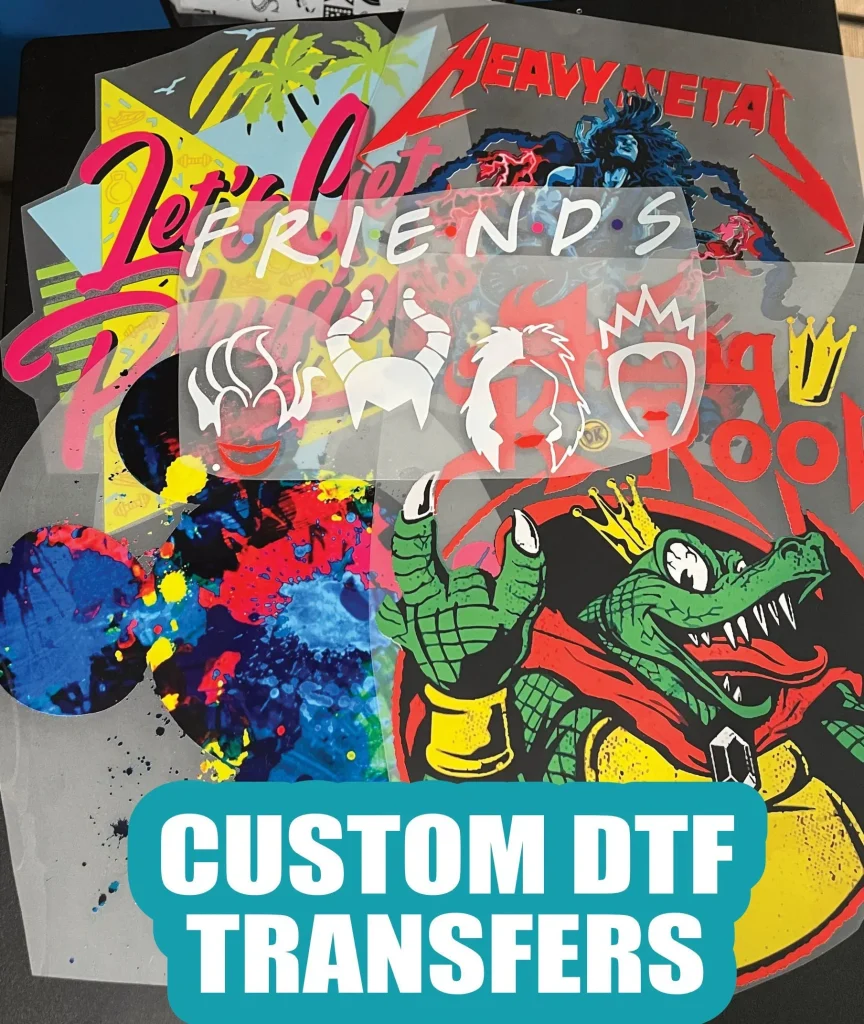
DTF transfers, or Direct-to-Film transfers, have transformed the landscape of custom merchandise, providing an innovative solution that blends quality with creativity. This printing technology makes it possible to achieve vibrant, high-definition designs on various substrates, from cotton tees to polyester bags. In addition to offering stunning visual results, the DTF transfer process is more efficient than traditional methods, allowing for quick turnaround times and reduced waste. As brands increasingly prioritize sustainable printing methods, the eco-friendliness of DTF practices aligns perfectly with modern consumer values. Join us as we delve into the world of DTF printing, exploring its benefits and why it’s becoming the go-to option for businesses looking to make their mark in custom merchandise.
Direct-to-Film (DTF) printing is revolutionizing how we create custom apparel and merchandise. Through its unique ability to produce intricate designs on a variety of fabric types, this advanced printing method stands out in the competitive market of custom branding. The DTF transfer process offers a streamlined approach, reducing setup times and allowing for greater versatility compared to traditional printing techniques. With its focus on high-quality and durable results, DTF has garnered attention for being not only efficient but also a sustainable choice for businesses looking to minimize their environmental impact. Explore the ins and outs of this cutting-edge printing solution and discover how it is shaping the future of customized products.
What Are DTF Transfers?
DTF transfers, or Direct-to-Film transfers, represent a revolutionary advancement in the world of custom printing. This technique allows for high-quality, intricate designs to be printed directly on various fabrics, circumventing many of the limitations imposed by traditional printing methods. Unlike screen printing, which can be costly and time-consuming for detailed graphics, DTF transfers streamline the production process, making it accessible for small businesses and independent creators.
These transfers involve printing designs onto a special film, which is then adhered to the material of choice using heat and pressure. This unique process not only produces vibrant and durable results but also opens a realm of possibilities in terms of fabric types and design complexity. The flexibility and ease of use associated with DTF transfers have made them increasingly popular among entrepreneurs in the custom merchandise market.
Frequently Asked Questions
What are DTF transfers and how do they work in custom merchandise production?
DTF transfers, or Direct-to-Film transfers, involve printing high-quality images onto a specialized film and then heat-transferring those images onto textiles or merchandise. This process is efficient and allows for complex designs and vibrant colors, setting it apart from traditional printing methods.
What are the key advantages of using DTF printing for custom merchandise?
The main advantages of DTF printing for custom merchandise include versatility across different fabric types, exceptional durability against cracking and fading, and cost-effectiveness for small batch production, making it ideal for businesses offering custom designs.
How does the DTF transfer process differ from traditional screen printing?
Unlike screen printing, which requires extensive setup and is best for larger runs, DTF transfers allow for nimble production with minimal waste. DTF printing can handle intricate designs easily, making it suitable for personalized and detailed custom merchandise.
What recent trends are influencing the DTF transfer technology?
Recent trends in DTF transfers include technological advancements that enhance printing quality and speed, a push towards sustainability with eco-friendly inks, and an increase in popularity among small businesses due to the lower initial investment compared to traditional methods.
Is DTF printing considered a sustainable option for custom merchandise?
Yes, DTF printing is seen as a sustainable printing method as manufacturers are exploring eco-friendly inks and practices to minimize waste and reduce the carbon footprint, aligning with consumer preferences for environmentally-friendly products.
What types of fabrics can DTF transfers be applied to?
DTF transfers are versatile and can be successfully applied to various fabric types, including cotton, polyester, and fabric blends, allowing for a broad range of custom merchandise options.
| Key Point | Description |
|---|---|
| Overview of DTF Transfers | DTF transfers print high-quality images directly onto textiles using a unique film method. |
| Step-by-Step Process | The process includes design creation, printing, powder application, curing, transferring to substrate, and final touch. |
| Recent Developments | Technological advancements, sustainability initiatives, and increasing popularity in the market are shaping DTF transfers. |
| Benefits of DTF Transfers | Versatility, durability, and cost-effectiveness make DTF transfers a preferred choice for custom merchandise. |
Summary
DTF transfers have revolutionized custom merchandise production, providing artists and businesses with an innovative and efficient printing solution. By utilizing Direct-to-Film technology, creators can achieve vibrant and lasting designs on a variety of textiles, ensuring flexibility and durability in their merchandise offerings. With recent advancements in technology and growing trends towards sustainability, the DTF method not only enhances creativity but also aligns with the modern consumer’s demand for responsible production practices. As the industry continues to evolve, embracing DTF transfers will undoubtedly enable brands to stay competitive and relevant in a dynamic market.