
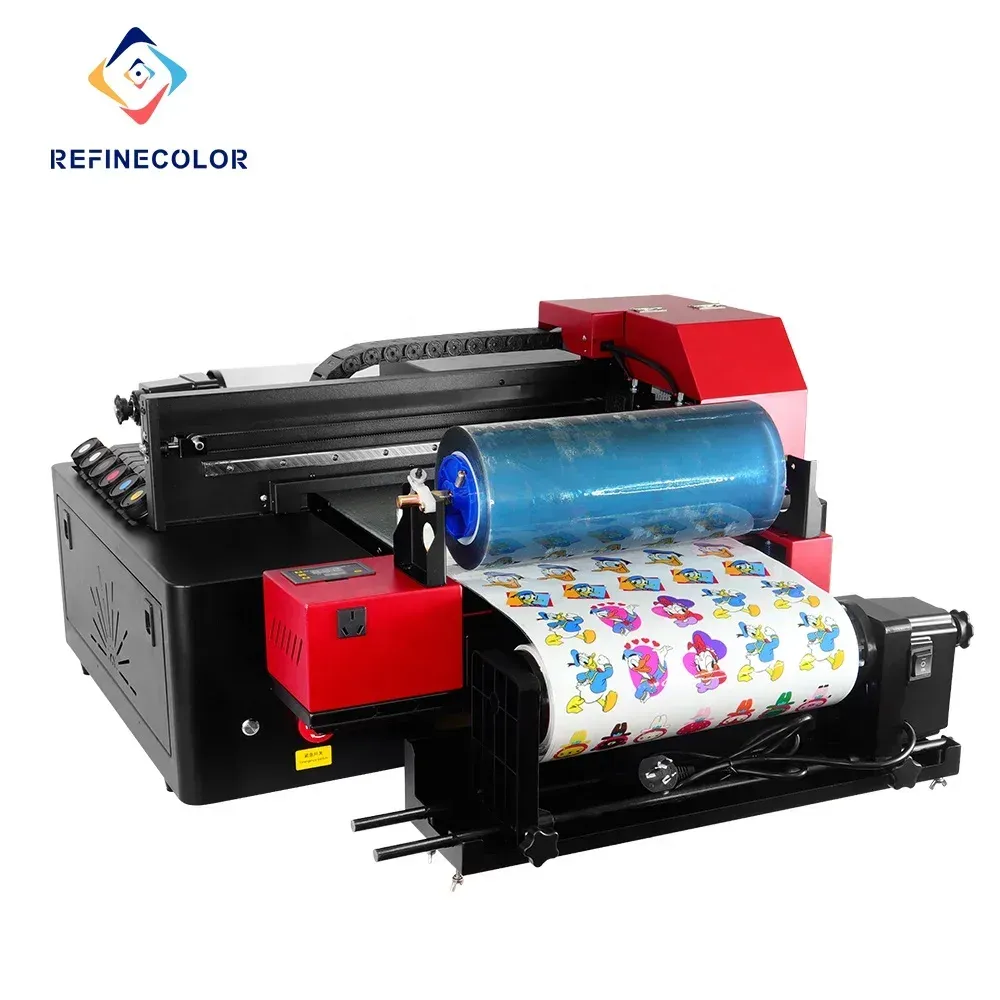
UV DTF, or Ultraviolet Direct to Film, is rapidly transforming the landscape of custom printing with its cutting-edge technology and remarkable versatility. This innovative printing method enables businesses to create stunning, durable prints on various substrates, ranging from fabrics to plastics, making it ideal for personalized marketing materials and merchandise. As companies seek more eco-friendly printing solutions, UV DTF stands out by employing UV-cured inks that are not only vibrant but also environmentally conscious. In this guide, we will delve into the fundamentals of UV DTF printing, exploring its unique advantages, diverse applications, and trending market insights. Understanding the nuances of this printing technology will equip you for your creative ventures and business success.
Often referred to as UV printing on film, UV DTF incorporates unique techniques that harness ultraviolet light for the instantaneous curing of inks. This approach allows for high-quality, custom prints that are not only visually striking but also highly durable. By adapting traditional Direct to Film printing methods with UV technology, users can apply vivid designs to an array of materials, making it a sought-after choice in the printing industry. With a growing demand for sustainable and reliable printing practices, utilizing eco-friendly inks and processes further enhances the appeal of this versatile printing solution. In understanding the landscape of this technology, businesses can tap into the burgeoning market for customized products while maintaining high standards of environmental responsibility.
Understanding UV DTF Printing Technology
UV DTF—or Ultraviolet Direct to Film—represents a transformative shift in the world of custom printing. By harnessing the power of ultraviolet light, this technology cures inks instantaneously as they are transferred onto various substrates, such as fabric, plastic, or metal. The seamless combination of direct-to-film capabilities with UV printing offers unmatched versatility, making it an appealing choice for both small businesses and large manufacturers alike. With UV DTF, the creative potential for personalized items has expanded, thus meeting the diverse demands of today’s customers.
The beauty of UV DTF technology lies in its eco-friendly approach. Traditional printing methods often involve volatile chemicals and long drying times, while UV DTF minimizes environmental impacts by using inks that are often solvent-free and compliant with stringent environmental standards. This shift toward sustainable practices not only benefits businesses looking to reduce their carbon footprint but also appeals to eco-conscious consumers who prioritize environmental responsibility in their purchasing decisions.
The Step-by-Step UV DTF Printing Process
Understanding the workflow of UV DTF printing is crucial for achieving high-quality results. The process begins with printing the desired image on a special film using UV-cured inks, which are known for their quick curing properties. Once the image is complete, an adhesive layer is applied before the film is heat pressed onto the target substrate. This method ensures that the vibrant colors and intricate designs are successfully transferred, resulting in durable prints that maintain their integrity even under challenging conditions.
During the printing process, it is important to select the right substrates and inks to avoid compatibility issues. Different materials can yield different results, which is why many successful UV DTF printers conduct extensive testing with various combinations of substrates and inks. This experimentation phase not only enhances the final product quality but also helps in refining the overall workflow, thus ensuring a streamlined and efficient production cycle.
Key Benefits of Adopting UV DTF Technology
One of the most significant advantages of UV DTF printing is its versatility across multiple materials. Whether the need is to print on textiles, plastics, or rigid substrates, UV DTF stands out as a flexible solution that can be tailored to various project requirements. This innovation allows businesses to expand their product lines and cater to a wider audience, increasing overall market competitiveness.
In addition to versatility, UV DTF printing provides exceptional durability. The UV-cured inks create prints that are resistant to fading and scratching, ensuring that the final product maintains its vibrancy and quality over time. This characteristic is particularly beneficial for promotional products and wearable items that may be subjected to everyday wear and tear, solidifying customer satisfaction with long-lasting designs.
Applications of UV DTF in Custom Printing
The applications of UV DTF printing are extensive and varied, making it a go-to choice for many industries. Personalized merchandise such as custom t-shirts, bags, and promotional items have seen a significant rise due to the high-quality output that UV DTF can deliver. With its ability to produce vivid colors and detailed designs, businesses often utilize this technology for creating standout merchandise that effectively communicates their brand identity.
In addition to personalized items, UV DTF is increasingly popular for promotional products. Enterprises that leverage this technology can develop eye-catching items that draw attention and leave a lasting impression. Whether it’s branded stickers or custom-designed keychains, UV DTF allows for the efficient production of small runs, enabling companies to adapt to seasonal trends and consumer preferences.
Market Trends Shaping UV DTF Printing
Current market trends indicate a growing demand for UV DTF printing as consumers and businesses seek innovative, high-quality printing methods. The shift towards eco-friendly products is influencing the adoption of UV DTF technology, as many manufacturers are prioritizing sustainable and environmentally responsible practices. With advancements in printing technology, the quality and affordability of UV DTF services are improving, making it accessible to a broader range of users.
Furthermore, as customization becomes increasingly vital in consumer markets, UV DTF printing is perfectly positioned to capitalize on this trend. Businesses that are willing to invest in high-quality UV DTF printers and related equipment can meet customer demands for more personalized products, thus gaining a competitive edge in the marketplace. This opportunity for innovation and customization is driving growth, making UV DTF a key player in the printing industry.
Getting Started with UV DTF Printing as a Beginner
If you’re new to the world of UV DTF printing, there are several essential tips to help you get started. Firstly, it’s crucial to familiarize yourself with the entire printing workflow. Understanding the steps from creating the design to executing the print will help prevent common pitfalls and enhance the quality of your outcomes. A thorough grasp of these procedures will set a solid foundation for your printing endeavors.
Additionally, proficiency in graphic design software is highly beneficial for beginners in UV DTF printing. Tools such as Adobe Photoshop or Illustrator enable users to create compelling designs that can leverage the full potential of UV DTF technology. By mastering these design programs, newcomers can craft images that not only look good but also translate flawlessly onto diverse substrates, ensuring high-quality prints.
Frequently Asked Questions
What is UV DTF and how does it work?
UV DTF (Ultraviolet Direct to Film) is a modern printing technology that utilizes UV-cured inks to transfer vibrant images onto various substrates. The process involves printing an image onto a special film, applying an adhesive, and then transferring the design using heat and pressure. This method is known for producing durable prints that can withstand fading and scratching.
What are the main advantages of using UV DTF for custom printing?
One of the key advantages of UV DTF printing is its versatility, allowing for high-quality prints on diverse materials such as textiles, plastics, and wood. Additionally, the durability of UV-cured inks ensures that prints remain vibrant and intact for longer periods, while many eco-friendly options make UV DTF an environmentally responsible choice.
In what applications is UV DTF printing commonly used?
UV DTF printing is widely used for personalized items like t-shirts, bags, and promotional products. Its ability to produce high-quality, custom designs makes it a popular choice among businesses looking to create unique merchandise that reflects their brand identity.
How does UV DTF compare to other printing technologies?
Compared to traditional printing technologies, UV DTF stands out due to its rapid curing process and ability to print on a variety of surfaces. It combines the benefits of digital printing with the durability of UV inks, making it ideal for producing both short-run custom prints and larger bulk orders.
Is UV DTF printing an eco-friendly option?
Yes, UV DTF printing is considered an eco-friendly printing solution, as many UV inks are solvent-free and meet environmental standards. This makes UV DTF a sustainable choice for businesses looking to minimize their impact while still achieving high-quality custom prints.
What are some tips for beginners to get started with UV DTF printing?
Beginners in UV DTF printing should start by familiarizing themselves with the entire printing workflow, mastering graphic design software like Adobe Photoshop or Illustrator, and testing various substrates and inks to find compatible combinations. Experimentation and practice are key to achieving optimal results in UV DTF printing.
| Key Points | Details |
|---|---|
| Introduction | UV DTF (Ultraviolet Direct to Film) is a revolutionary printing technology useful for custom printing on various materials. |
| Overview | Merges UV curing with Direct to Film, allowing high-quality prints on different surfaces. |
| Process | 1. Print image on film. 2. Apply adhesive. 3. Transfer using heat and pressure, with UV curing. |
| Advantages | – Versatile for many materials. – Durable prints resistant to fading. – Eco-friendly inks available. |
| Applications | – Personalized items. – Promotional products. – Custom print services. |
| Market Trends | Growing demand for custom products and a shift towards sustainable printing are boosting UV DTF. |
| Popular Brands | Epson, Roland, and Mimaki are key players in the UV DTF equipment market. |
| Tips for Beginners | 1. Understand the workflow. 2. Master graphic design software. 3. Test substrates and inks. |
Summary
UV DTF is a groundbreaking printing technology that empowers businesses and individuals to explore colorful and durable printing options. With its unique capabilities, UV DTF not only supports creative ventures in custom merchandise but also adapts to a range of materials, showcasing vibrant and long-lasting prints. This innovative method presents numerous advantages, including eco-friendliness and versatility, making it a top choice for modern print solutions. Embracing UV DTF will facilitate the creation of unique products while keeping pace with market trends that favor sustainability and quality.