
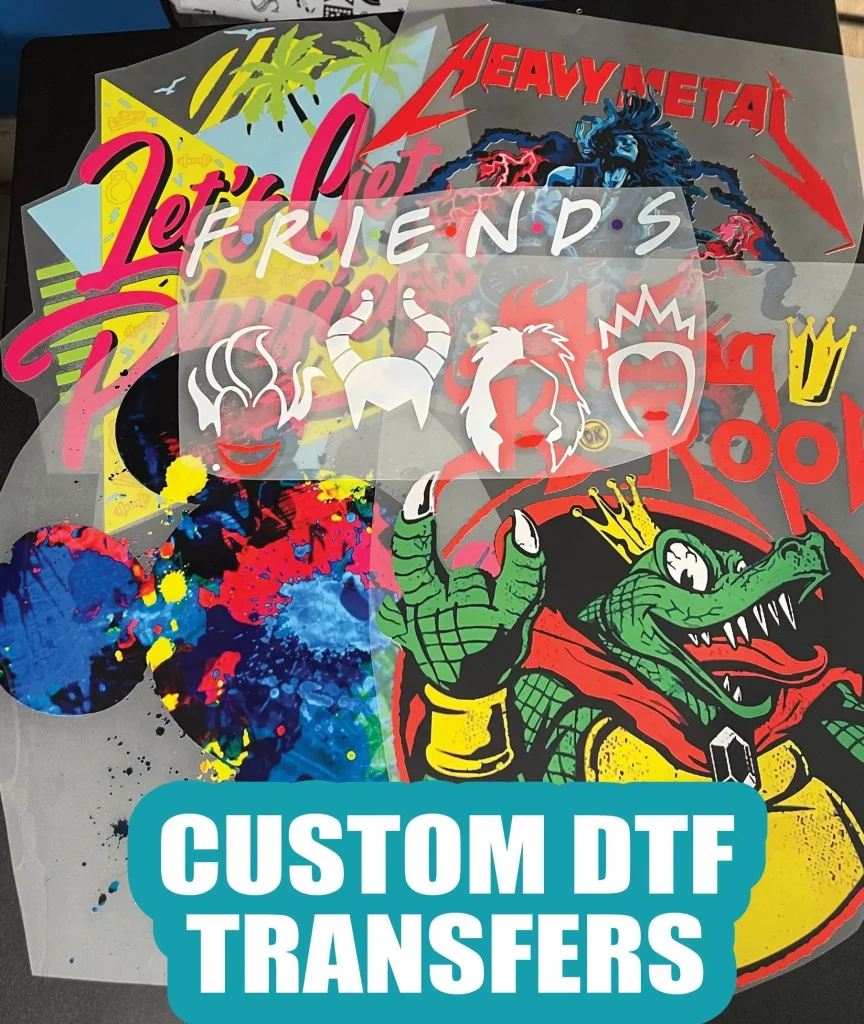
DTF transfers, or Direct-to-Film transfers, are quickly becoming a popular choice in the world of garment printing thanks to their versatility and vibrant outputs. However, for many newcomers, navigating the DTF printing landscape can be challenging due to common DTF errors that can jeopardize transfer quality. This article delves into typical mistakes made during the DTF transfer process and offers best DTF practices to enhance your printing outcomes. From understanding printer settings to ensuring proper fabric treatment, avoiding these pitfalls will set you on the path to achieving stunning prints that last. Join us as we explore effective DTF transfer solutions to help you perfect your printing technique and bring your designs to life.
When discussing garment printing techniques, one cannot overlook the importance of film transfers, particularly the Direct-to-Film (DTF) method. This innovative approach allows for high-resolution images to be printed onto transfer film before being applied to fabric substrates. Despite its potential, many practitioners face challenges that lead to subpar results, stemming from common oversights and mistakes in the process. By identifying these frequent slip-ups and implementing corrective strategies, such as optimizing printer settings and ensuring proper curing techniques, users can elevate their prints to a professional level. Moreover, understanding alternative terminology synonymous with DTF transfers can further enhance communication about this printing technique in broader contexts.
Avoiding Common DTF Printing Mistakes
DTF printing is a powerful method for creating detailed and vibrant designs, but it also comes with its set of challenges. Common mistakes, such as failing to adjust printer settings correctly, can lead to poor outcomes that undermine the potential of your designs. Ensuring that parameters like resolution, color profiles, and ink density are accurate is crucial. When overlooked, these factors can result in unsatisfactory prints, which may discourage users from fully leveraging the advantages that DTF transfers provide.
Additionally, using subpar transfer films can drastically affect the quality of the final product. Poor-quality films can result in issues like peeling or fading, leading to wasted resources and effort. To achieve high-quality transfers, always research and invest in reputable DTF films that enhance adhesion and durability. Testing the film before commencing larger projects can save time and ensure consistency in quality.
Importance of Proper Curing for DTF Transfers
Curing is a crucial step in the DTF transfer process that is often underestimated by beginners. Many users may mistakenly believe that simply applying heat is sufficient to ensure a strong bond between the ink and the fabric. In reality, the curing process, including temperature and duration, needs to be meticulously monitored. A common best practice is to cure at around 300°F (149°C) for 10-15 seconds, which helps ensure a long-lasting and vibrant print.
Furthermore, failing to properly cure a transfer can lead to prints that wash out or fail to adhere, requiring reprints. Understanding the materials involved—the type of fabric and the specifics of the DTF print—allows for adjustments in the curing process. This attention to detail can tremendously enhance the life and appearance of the final product.
The Role of Fabric Pre-Treatment in DTF Printing
Pre-treating fabric is an essential step that cannot be overlooked in the DTF printing process. It creates a suitable bonding surface for the ink, especially with synthetic materials such as polyester. Neglecting this can lead to poor adhesion and compromised print quality. Researching the specific requirements for different fabrics will inform you of the appropriate pre-treatment solutions to use.
Moreover, by investing time in fabric pre-treatment, users can vastly improve print durability and vibrancy. The additional effort in preparing the fabric pays off in ensuring that the final product not only looks good but also withstands wear, washing, and time.
Post-Production Care for DTF Printed Garments
Once you have completed your DTF transfer, the care given to the printed garments plays a pivotal role in preserving print quality. A common mistake many users make is improper washing, such as using hot water or harsh detergents that can fade or damage the print. Best practices suggest washing garments inside out in cold water, avoiding fabric softeners and bleach to maintain their vibrancy and longevity.
Additionally, educating customers about proper garment care can foster better satisfaction and trust in your brand. A well-cared-for product will enhance your reputation as a quality printer and encourage repeat business, as customers appreciate the durability and longevity of their printed clothing.
Maximizing DTF Transfer Quality through Best Practices
To achieve the highest quality DTF transfers, it is essential to be well-informed about industry best practices and techniques. Conducting thorough research before starting any printing project will empower you to avoid common mistakes and better understand the nuances of DTF technology. Engaging with industry professionals through blogs, tutorials, or forums can provide invaluable insights into effective methodologies.
Staying current with new advancements in DTF technology is also key to ensuring high-quality outcomes. Regularly checking updates from manufacturers regarding inks, printers, and transfer films allows you to optimize your process. These innovations can lead to significant improvements, helping you enhance your prints and minimize common DTF errors.
Solutions to Common DTF Transfer Challenges
Throughout the DTF printing process, challenges can arise that might detract from the final product quality. Recognizing common DTF errors, such as misalignment or improper application, is the first step to addressing these issues. Ensuring accurate transfer alignment is crucial; take the time to carefully position your transfer on the garment before applying heat. This can prevent issues that negatively impact the overall appearance of your design.
Moreover, developing a troubleshooting guide based on shared experiences within the DTF community can serve as a helpful resource. By documenting solutions to frequent printing problems, you can quickly reference possible fixes when issues arise, ultimately streamlining your printing process and enhancing your output.
Frequently Asked Questions
What are some common DTF printing mistakes to avoid?
Common DTF printing mistakes include using incorrect printer settings, such as resolution and ink density, neglecting the curing process, and using poor quality transfer films. These errors can lead to blurry images, peeling, and fading of prints, compromising the overall quality of DTF transfers.
How can I ensure high DTF transfer quality?
To achieve high DTF transfer quality, always use high-quality transfer films, properly configure your printer settings, and ensure that the curing process is adequately carried out. Pre-treating fabrics when necessary also helps improve adhesion and durability of the prints.
What are best practices for DTF transfers?
Best DTF practices include conducting thorough research on techniques and materials, updating technology regularly, and ensuring the correct alignment of transfers on garments before heat application. This attention to detail can significantly enhance the quality of your DTF prints.
What are some solutions to common DTF errors?
Solutions to common DTF errors involve verifying printer settings, investing in quality materials, and adhering to proper curing and washing guidelines. Ensuring that you pre-treat fabrics when needed is also crucial to avoid issues related to adhesion and durability.
Why is the curing process important for DTF transfers?
The curing process is critical for DTF transfers because it ensures that the transfer adheres properly to the fabric. Skipping or inadequately performing the curing process can lead to transfers that wash away easily or fail to bond securely, impacting the longevity of your prints.
How does fabric pre-treatment affect DTF transfer results?
Fabric pre-treatment is essential for DTF transfers, especially on synthetic materials like polyester. Pre-treatment enhances the bond between the ink and fabric, resulting in more durable and vibrant prints. Neglecting this step can lead to poor transfer quality and shorter lifespan of the print.
| Common Mistakes | Impact | Solution |
|---|---|---|
| Incorrect Printer Settings | Leads to blurry images and incorrect colors | Consult the printer manual and adjust settings correctly. |
| Using Poor Quality Transfers | Causes peeling and fading | Use high-quality DTF transfer films and conduct test prints. |
| Overlooking the Curing Process | Transfers may wash away or not adhere properly | Cure at 300°F (149°C) for 10-15 seconds based on materials. |
| Neglecting Fabric Pre-Treatment | Leads to poor bonding and durability | Pre-treat fabrics, especially synthetics, as advised. |
| Ignoring Post-Production Care | Can lead to premature fading | Wash inside out in cold water and avoid harsh detergents. |
| Inadequate Alignment During Transfer | Results in uneven images | Check alignment meticulously before applying heat. |
Summary
DTF Transfers provide an excellent avenue for individuals and businesses looking to expand their garment printing capabilities. By avoiding common mistakes such as incorrect printer settings, neglecting fabric pre-treatment, and improper post-production care, users can produce vivid and long-lasting designs. It’s essential to stay informed about the best practices and advancements in DTF transfer technology to achieve exceptional results. Consistent attention to detail and quality materials can make all the difference, enabling print enthusiasts to take full advantage of the extraordinary potential that DTF transfers offer.