
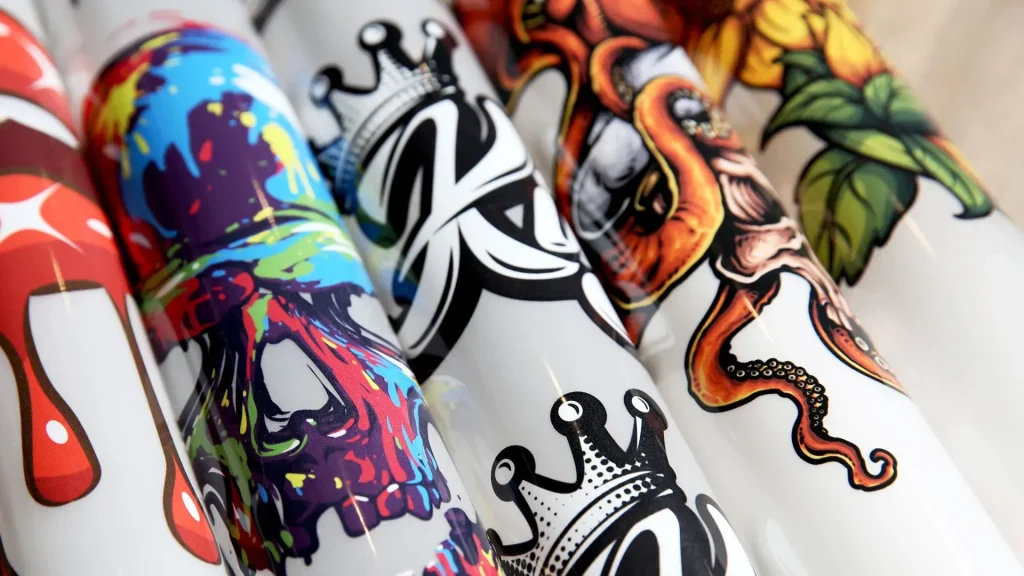
DTF transfers, or Direct-to-Film transfers, are revolutionizing the textile printing industry by offering an exceptional way to achieve high-quality, vibrant designs on a wide array of materials. This innovative printing technology empowers brands and creators alike to produce intricate designs that resonate with customers and stand out in the marketplace. With its ability to create custom DTF prints that are durable and full of color, DTF printing technology has become a preferred choice for apparel and merchandise manufacturers. Moreover, the arrival of sustainable printing methods is aligning well with DTF transfers, as they typically use eco-friendly inks that minimize environmental impact. As we delve deeper into the advantages of DTF vs. DTG printing, it’s clear that DTF transfers are at the forefront of modern printing solutions.
The realm of textile printing has recently witnessed a surge in the popularity of Direct-to-Film (DTF) technology, which has gained traction for producing stunning and durable prints. This innovative method allows for the application of custom designs on various textile surfaces, making it an excellent option for personalized apparel and promotional products. With advancements in printing technology, businesses can now utilize high-quality textile prints that cater to modern consumer demands. This rise in interest not only highlights the versatility and efficiency of DTF transfers but also emphasizes the growing importance of sustainable printing practices. By comparing DTF transfers with other printing methods such as Direct-to-Garment (DTG), it becomes evident that DTF offers distinct advantages that meet the needs of today’s market.
Understanding DTF Printing Technology
Direct-to-Film (DTF) printing technology has revolutionized the way we approach textile designs. At its core, DTF works by printing designs onto a special film, infusing the image with vibrant colors using eco-friendly inks. This method is highly adaptable, enabling artisans and manufacturers to bring intricate graphics to life on various fabrics, ranging from cotton to polyester blends. Unlike traditional methods that may limit design potential, DTF allows for unlimited creativity with stunning detail and brightness.
The process of DTF printing is not just about color; it also focuses on the application of a hot-melt adhesive to the BTF film. This step ensures that the design will properly bond with the fabric when heat pressed, resulting in high-quality transfers that are both durable and resistant to fading. Artists and businesses are drawn to DTF printing because it solves many logistical issues faced in textile design, providing a seamless and efficient pathway from digital image to finished product.
The Superiority of DTF Transfers
One of the standout benefits of DTF transfers is their exceptional print quality. The technology is specifically designed to bring forth rich colors and sharp images, making it ideal for businesses that pride themselves on exquisite custom DTF prints. Thanks to its ability to handle complex designs and gradients, DTF surpasses methods like Direct-to-Garment (DTG) printing, which may struggle with details, particularly on darker fabrics.
In addition to print quality, DTF transfers exhibit remarkable versatility. They can be applied to a broad array of materials, including various textiles and even unconventional options, unlike DTG printing, which typically adheres best to lighter fabrics. This versatility means that businesses can expand their product offerings, thereby catering to diverse consumer demands without compromising on quality.
Exploring the Versatility of DTF Transfers
The versatility of DTF transfers expands the horizons for custom textile applications. Unlike DTG printing, which may require specific fabric types and colors, DTF allows for seamless application on both light and dark textiles. This flexibility means that retailers can experiment with unique designs across a wider product range, including shirts, bags, and even technical sportswear without the fear of limiting their customer base.
Furthermore, DTF printing technology supports a sustainable approach in the production of high-quality textile prints. With a focus on eco-friendly inks and materials, businesses can embrace sustainable printing methods while satisfying consumer preferences for environmentally conscious products. This emerging trend towards sustainability not only reflects positively on brands’ images but also appeals to an eco-aware clientele.
Accelerated Production Times with DTF Printing
Another significant advantage of DTF transfers is the accelerated production times they offer. In contrast to traditional screen printing methods, which can be time-consuming due to intricate setups and the need for multiple color separations, DTF printing streamlines the entire process. This speed is particularly beneficial for small business owners and independent designers who must manage time-sensitive orders without sacrificing quality.
By facilitating quicker turnaround on custom designs, DTF printing enables businesses to capitalize on emerging trends or customer requests swiftly. The efficient production pathway encourages entrepreneurs to take on various projects without the burdens of heavy initial costs or lengthy wait times, thus enhancing their market competitiveness.
Cost-Effectiveness of DTF Printing Methods
Cost-effectiveness is a pivotal benefit associated with DTF printing methods. Entrepreneurs venturing into custom apparel and merchandise can implement DTF technology without incurring substantial upfront costs typical of traditional screen printing. The structured production approach allows businesses to fulfill small to medium runs without the financial burden of large-scale operations.
This economic advantage empowers new brands to offer customizable products while minimizing financial risks. As a result, many are turning to DTF as a reliable solution, allowing them to experiment with designs and cater to niche markets effectively, knowing that they will not face prohibitive costs if their product offerings need adjustments.
Sustainability in DTF Printing Technology
As global consumers become increasingly conscious of environmental impacts, sustainable printing methods have gained traction in various industries, including textile printing. DTF printing technology aligns perfectly with this trend, as it primarily utilizes water-based inks that are less harmful than traditional solvent-based inks. This eco-friendly approach resonates with effectively forward-thinking companies that prioritize sustainable practices.
The sustainable nature of DTF printing not only appeals to environmentally responsible consumers but also sets brands apart in a competitive market. As more customers seek to support businesses that adopt eco-conscious practices, embracing DTF technology can enhance brand loyalty and establish a positive corporate image in the eyes of today’s discerning shoppers.
Frequently Asked Questions
What are DTF transfers and how do they work?
DTF transfers, or Direct-to-Film transfers, involve printing designs onto special films using eco-friendly inks. A hot-melt adhesive is applied to the film, which allows the design to firmly adhere to various fabrics when heat pressed. This method produces vibrant, high-quality prints that are durable and suitable for custom apparel.
What are the benefits of using custom DTF prints over other printing methods?
Custom DTF prints offer several advantages, including exceptional print quality with intricate designs, versatility across various materials (unlike DTG which is limited to lighter fabrics), and faster production times. They are also more cost-effective for short runs and use sustainable printing methods, aligning with eco-friendly practices.
How do DTF transfers compare to DTG printing?
DTF transfers generally offer greater versatility than DTG printing, as they can be applied to a wider range of materials, including dark fabrics. Additionally, DTF has faster setup and production times than DTG, making it a preferred choice for many businesses in the custom apparel market.
Are DTF printing methods environmentally friendly?
Yes, DTF printing methods are largely considered sustainable as they predominantly use water-based inks, which are less harmful than solvent-based alternatives. This aligns with the growing demand for environmentally friendly printing practices, making DTF an appealing option for eco-conscious businesses.
What types of materials can DTF transfers be applied to?
DTF transfers can be applied to a wide variety of materials, including cotton, polyester blends, and even dark textiles. This versatility makes DTF printing highly suitable for custom sportswear, fashion apparel, and other promotional goods.
What are the recent advancements in DTF printing technology?
Recent advancements in DTF printing technology include improvements in ink formulations and printer capabilities, resulting in sharper details and more vibrant colors. These innovations have enhanced print quality and efficiency, further propelling the popularity of DTF transfers in the textile industry.
| Key Points | Details |
|---|---|
| What are DTF Transfers? | A printing method where designs are printed onto special film and then heat pressed onto fabric using eco-friendly inks. |
| Advantages of DTF Transfers | 1. Exceptional Print Quality: Produces vibrant colors and intricate designs. 2. Versatility in Materials: Works on various fabrics including dark textiles. 3. Faster Production Times: Quicker turnaround compared to traditional methods. 4. Cost-Effectiveness: Economical for short runs with lower setup costs. 5. Sustainability: Utilizes water-based inks, aligning with eco-friendly practices. |
| Recent Developments in DTF Printing | – Growth in Popularity: Increased demand for detailed designs in the custom apparel market. – Technological Innovations: Improved print quality and efficiency in recent printer advancements. – Comparing DTF with Other Methods: Outperforming DTG and HTV in durability and material flexibility. |
| SEO Keywords | Custom DTF prints, DTF printing technology, high-quality textile prints, sustainable printing methods, DTF vs. DTG printing. |
Summary
DTF transfers are revolutionizing the textile printing industry with their ability to create high-quality, vibrant designs across various materials. This innovative printing method leverages eco-friendly inks and unique processes to achieve exceptional print quality and versatility, distinguishing itself from traditional methods like Direct-to-Garment (DTG) printing. As sustainability becomes increasingly important, DTF transfers align perfectly with modern consumer demands, making them a popular choice for both custom apparel and larger production runs. Continuous advancements in technology further enhance their appeal, solidifying DTF transfers as a leading choice in the ever-evolving landscape of custom printing.