
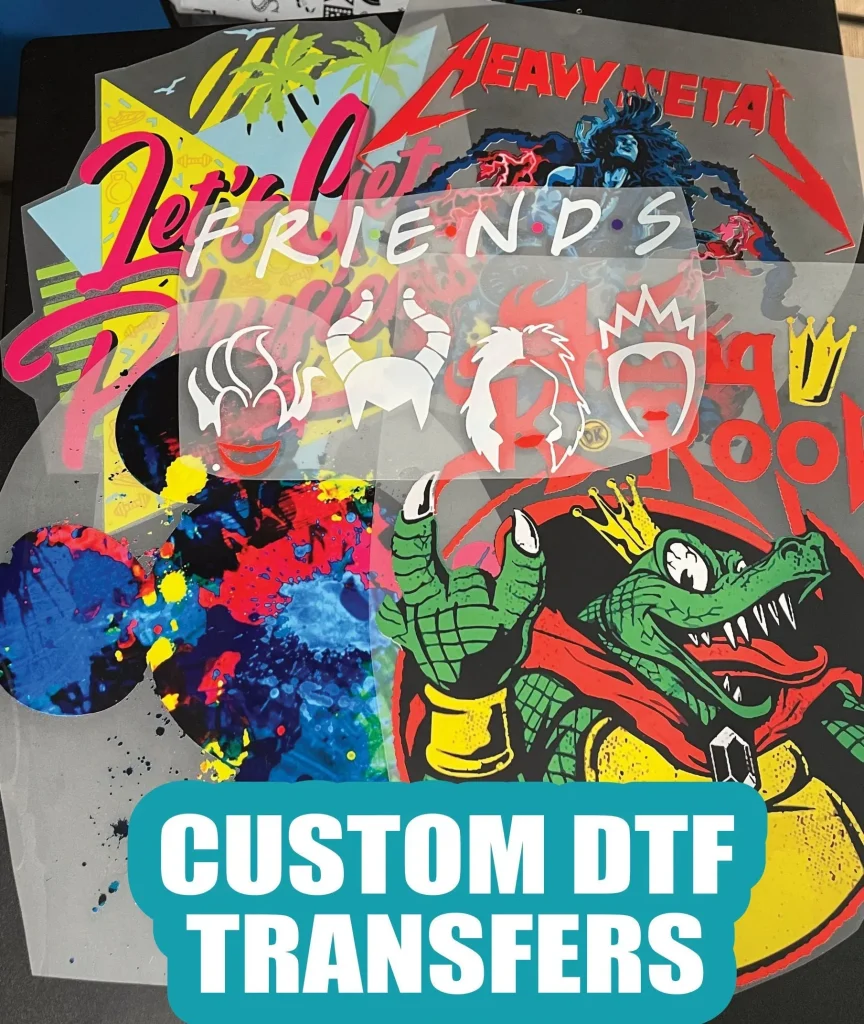
DTF Transfers, or Direct-to-Film transfers, are revolutionizing the world of custom apparel printing, marking a significant advancement in printing technology. This innovative method allows for stunningly vibrant and intricate designs to be printed directly onto a special film, which then is transferred onto various fabrics with remarkable durability. Unlike traditional approaches such as screen printing, DTF printing technology provides unparalleled versatility and quality, catering to the growing demand for personalized apparel. As consumers increasingly seek sustainable printing options, DTF transfers emerge as a compelling choice, promising lower production costs and higher customization potential. This article delves into the transformative impact of DTF transfers on the custom apparel market, investigating their benefits and future growth prospects for both manufacturers and consumers alike.
Direct-to-Film printing, often abbreviated as DTF printing, represents a groundbreaking approach in the realm of textile printing, gaining momentum as a popular method for producing customized apparel. This cutting-edge process involves transferring designs from a specialized film to fabric through precise heat application, resulting in high-quality prints that can withstand the test of time. With the fashion industry shifting towards more personalized options, DTF transfers cater to this trend by enabling intricate and colorful designs that resonate with individual styles. Furthermore, as awareness around sustainable printing grows, many businesses are exploring eco-friendly practices in conjunction with DTF technology. This discussion will explore the significance of DTF transfers in enhancing the landscape of modern apparel printing.
The Rise of DTF Printing Technology
Direct-to-Film (DTF) printing technology is quickly becoming a cornerstone of the custom apparel printing industry due to its revolutionary approach to transferring designs onto garments. This method utilizes advanced printing techniques to apply high-quality images directly onto a film, which are then heat-pressed onto a variety of fabrics. The result is vibrant, long-lasting prints that can withstand the test of time and wear, making DTF an attractive option for both consumers and businesses aiming for superior personalization of apparel.
As technology evolves, DTF printing machines are becoming more accessible and affordable, paving the way for small businesses and independent designers to enter the market. These advancements enable high-resolution prints and swift production speeds, allowing businesses to meet fast-paced consumer demands. The flexibility and innovation offered by DTF technology establish it as an important player in the future of custom apparel printing.
Advantages of DTF Transfers Over Traditional Methods
DTF transfers come with several advantages that overshadow traditional printing methods. For starters, this approach accommodates a wide range of fabrics, including cotton, polyester, and blends, which is a significant limitation with screen printing techniques. The durability and washing resistance of DTF prints also surpass that of many conventional methods, maintaining their vibrancy and quality through numerous washes. Businesses can rely on DTF for consistent results, which is vital for customer satisfaction and brand loyalty.
Additionally, DTF printing allows for complex designs without the associated costs of traditional screen printing where setup fees can accumulate. This makes personalization more accessible for both consumers seeking unique styles and small businesses wanting to leverage individualism in their product offerings. As demand for unique, custom products rises, DTF technology positions itself as the go-to solution for modern custom apparel.
DTF Printing: A Cost-Effective Solution
One of the most compelling reasons why businesses are adopting DTF transfers is cost-effectiveness. Compared to traditional methods like screen printing and embroidery, DTF printing lowers initial startup costs and simplifies production processes. Since DTF requires less elaborate setups for each custom design, entrepreneurs can focus on creativity rather than managing costly overheads, which allows for more dynamic product offerings.
Moreover, the scalability of DTF printing means that as demand grows, it can effortlessly adapt without incurring significant additional costs. This efficiency is crucial for small brands trying to establish a foothold in a competitive market where margins are often tight. With DTF technology, businesses can provide personalized apparel at a lower price point, appealing to a broad consumer base.
Sustainability in DTF Printing Practices
Sustainability is a crucial consideration for many consumers today, and DTF printing technology is making strides towards eco-friendly practices. While traditional printing methods often rely on toxic inks and materials, DTF aligns with modern sustainability goals by utilizing water-based inks and potentially recyclable films. As manufacturers continue to innovate, there is a significant move towards developing biodegradable or eco-conscious films that will further reduce the environmental impact of this printing technique.
However, the challenge lies in the predominant use of plastic films in DTF printing. As the industry looks to the future, adopting truly sustainable practices will be essential. Brands that can successfully integrate environmentally friendly approaches into their DTF processes will not only enhance their image but also attract environmentally conscious consumers who are increasingly making purchasing decisions based on sustainability.
Customer Preferences in Custom Apparel
Understanding consumer behavior is vital for any business, especially in the realm of custom apparel where trends shift rapidly. Recent surveys indicate a growing preference for personalized products, with DTF printing at the forefront of this trend. Consumers today are not just passive recipients of fashion, but active participants who seek ways to express their individuality through customized apparel. The speed and quality of DTF printing perfectly align with this consumer desire.
As brands realize the importance of catering to customized fashion, DTF technology provides the capabilities necessary to meet these varied preferences. From intricate artwork to logos and personalized messages, consumers can easily have their designs brought to life through DTF transfers. Brands that leverage these insights into customer preferences will stand out in the crowded landscape of fashion and apparel.
Future Prospects of DTF Transfers in Apparel Printing
Looking ahead, the prospects for DTF transfers in the custom apparel printing market appear promising. The continued growth of e-commerce and social media has spurred a shift towards on-demand production, a model where DTF printing excels. As retail strategies evolve to embrace instant gratification through rapid delivery of personalized items, DTF technology is set to become an integral part of the supply chain for many brands.
Furthermore, as technology evolves, DTF printing will likely incorporate even more innovative capabilities, enhancing the precision, speed, and quality of prints. Partnerships between technology developers and apparel businesses will encourage further adoption and adaptation, propelling DTF to the forefront of custom apparel solutions. As this technology matures, its transformative impact could reshape the entire landscape of fashion printing.
Frequently Asked Questions
What are the benefits of using DTF transfers in custom apparel printing?
DTF transfers offer numerous advantages in custom apparel printing, including vibrant colors, durability, and the ability to stretch with fabric. This printing technology allows for intricate designs, making it perfect for personalized apparel. Additionally, DTF printing is often more cost-effective than traditional methods, reducing startup costs for small businesses.
How does the DTF printing technology work?
DTF printing technology involves printing designs onto a special film which is then transferred to fabric with heat. This method ensures that vibrant colors and detailed graphics are accurately reproduced on a wide range of apparel, allowing for high-quality custom apparel printing.
Is DTF printing a sustainable option for custom apparel?
While DTF printing has potential environmental challenges due to the use of plastic films, many manufacturers are exploring eco-friendly inks and practices. As the industry evolves, the development of sustainable materials in DTF printing will be essential for accommodating environmentally-conscious consumers.
Why is DTF printing gaining popularity in the market?
DTF printing is gaining popularity due to its ability to produce high-quality, vibrant prints quickly and cost-effectively. As consumer demand for personalized apparel rises, businesses can leverage DTF technology to meet these expectations efficiently. This trend is particularly pronounced among younger demographics looking to express individuality through custom clothing.
Can small businesses benefit from DTF transfers?
Yes, DTF transfers are highly beneficial for small businesses and independent designers. The technology presents lower initial investment costs compared to traditional printing methods, allowing smaller operations to offer unique and customized apparel without significant financial risk.
What types of apparel can be printed using DTF transfers?
DTF transfers can be used on a variety of apparel, including t-shirts, hoodies, and sportswear. The flexibility of this printing method allows it to be applied effectively across different fabric types, making it an ideal choice for diverse custom apparel printing needs.
| Key Point | Description |
|---|---|
| DTF Transfers | A revolutionary method for custom apparel printing, allowing high-quality designs on various fabrics. |
| Technological Advancements | Increased print quality and production speeds catering to rising demand. |
| Market Growth | Strong growth due to demand for personalized apparel among a variety of demographics. |
| Cost-Effectiveness | Lower startup costs and complex setups compared to traditional printing methods. |
| Environmental Considerations | Challenges with sustainability prompt the search for eco-friendly materials. |
| Customer Preferences | Increasing demand for DTF-printed products due to vibrant colors and customization options. |
| Quality and Versatility | Ability to create intricate designs that cater to individual tastes. |
| Fast Production Time | Significantly reduces fulfillment time for custom orders. |
| Accessibility for Small Businesses | Allows small businesses to offer unique products without high initial investments. |
Summary
DTF Transfers are the future of custom apparel printing, combining high-quality prints with versatility to meet diverse consumer demands. This innovative technology not only enhances the creative possibilities for designers but also aligns with the growing market for personalized fashion. As small businesses increasingly adopt DTF printing, they benefit from lower costs compared to traditional methods, making it a cornerstone in redefining custom garment production. Furthermore, DTF’s ability to produce durable, flexible prints ready for various fabric types reinforces its position as a preferred choice for modern apparel printing. As the industry evolves, those embracing DTF technology will likely gain a competitive edge, ensuring continued growth in a dynamic marketplace.